★ Click here to enter the Trout and Salmon crossword for the chance to win a Loop Opti reel★


Improve your fly presentation and casting skills
Guide Gilly Bate lists common faults she witnesses and the fixes she applies for better presentation.

In fly-fishing, there are many components that help you to catch fish, with anglers spending hours looking at new rods, the latest fly-lines and leader set-ups. But this often leads to neglect of the crucial aspect of casting. Delivering a fly is a big topic, so I’m just sharing a few pointers here – a pithy list of faults I witness and the fixes I apply every day that I’m guiding:
■ Before casting, take the time to gain a clear view of your surroundings to avoid the inconvenience of retrieving flies from trees.
■ Pause and consider the optimal presentation of the fly, noting the prevailing currents and their potential impact on the fly’s landing.
■ Always try to retrieve the fly from the water with a smooth and quiet motion.
■ As you cast forward, aim slightly above the water’s surface, allowing the fly to land gently.
■ Limit your casts – excessive casting over fish will send them running for cover.
■ In the event of a refusal, wait until the fly is a few feet below the fish before recasting.
■ Observe the fish’s movements to gauge its readiness to take a fly and, if so, whether it exhibits a preference to rise on a particular side, left or right.
■ Emerging flies and duns drift naturally with the current, prompting a fish to anticipate a fly’s movement. Drag on your fly will result in a refusal. Adding slack line to the cast, such as a mend or reach cast, can help to buy time for your fly to move naturally with the current. Those precious moments can be the difference between success and failure.
■ Sedge, on the other hand, deposit their eggs and take off quickly, necessitating a fly presented close to the fish to prompt an instant take.
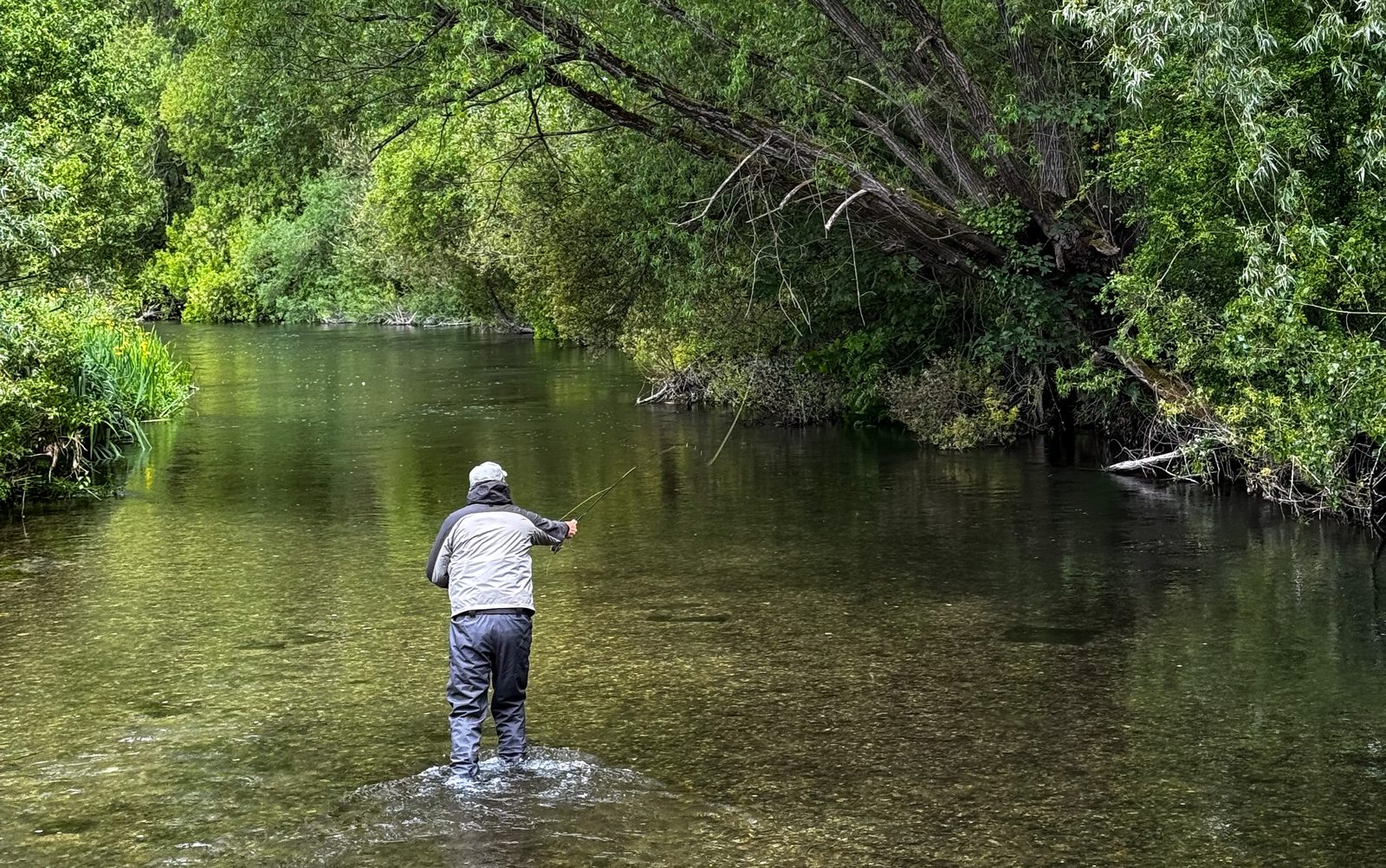
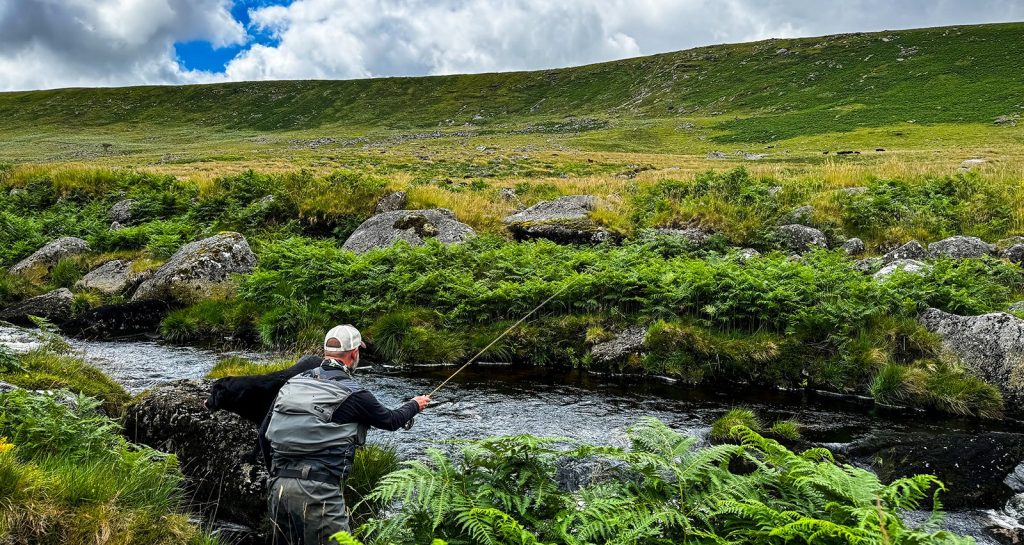
■ In deep, fast-flowing water, fish may choose to stay near the riverbank. If you are a right-handed and walking upstream on a river flowing to your left, your line may catch on the bank. To mitigate this risk, practise casting over your opposite shoulder. The key is to ensure your casting hand moves forward towards the target, rather than your right-hand side, which would cause the line to deviate and miss the fish.
■ Conversely, if the river is flowing downstream on your right as you walk upstream and your quarry is close to the bank, adjust the plane of your cast to cast sideways over the river. Equipping oneself with the appropriate equipment and patterns can only enhance one’s chances of success, but good casting skills can significantly optimise your time and increase the likelihood of meeting a memorable fish.
Related Articles
Fly tying
River trout
Tips and advice
Trout
Why terrestrials deserve a place in every fly box
When the hatch dies and the river falls quiet, the answer is often drifting in from the fields behind you – a summer case for fishing ants, beetles and hoppers, and the few flies that earn their kee...
By Pete Tyjas
Tips and advice
Trout
Luck, skill and the anglers who always seem to catch
We all know the angler who catches on the day nothing is happening, the one everyone calls lucky. Watch a little more closely and a different picture emerges, made up of small habits and quiet decisio...