★ Click here to enter the Trout and Salmon crossword for the chance to win a Loop Z1 double-handed rod★

Mastering the bow and arrow cast
Learn how to reach difficult lies and catch more fish by adding this versatile close-quarters cast to your armoury.
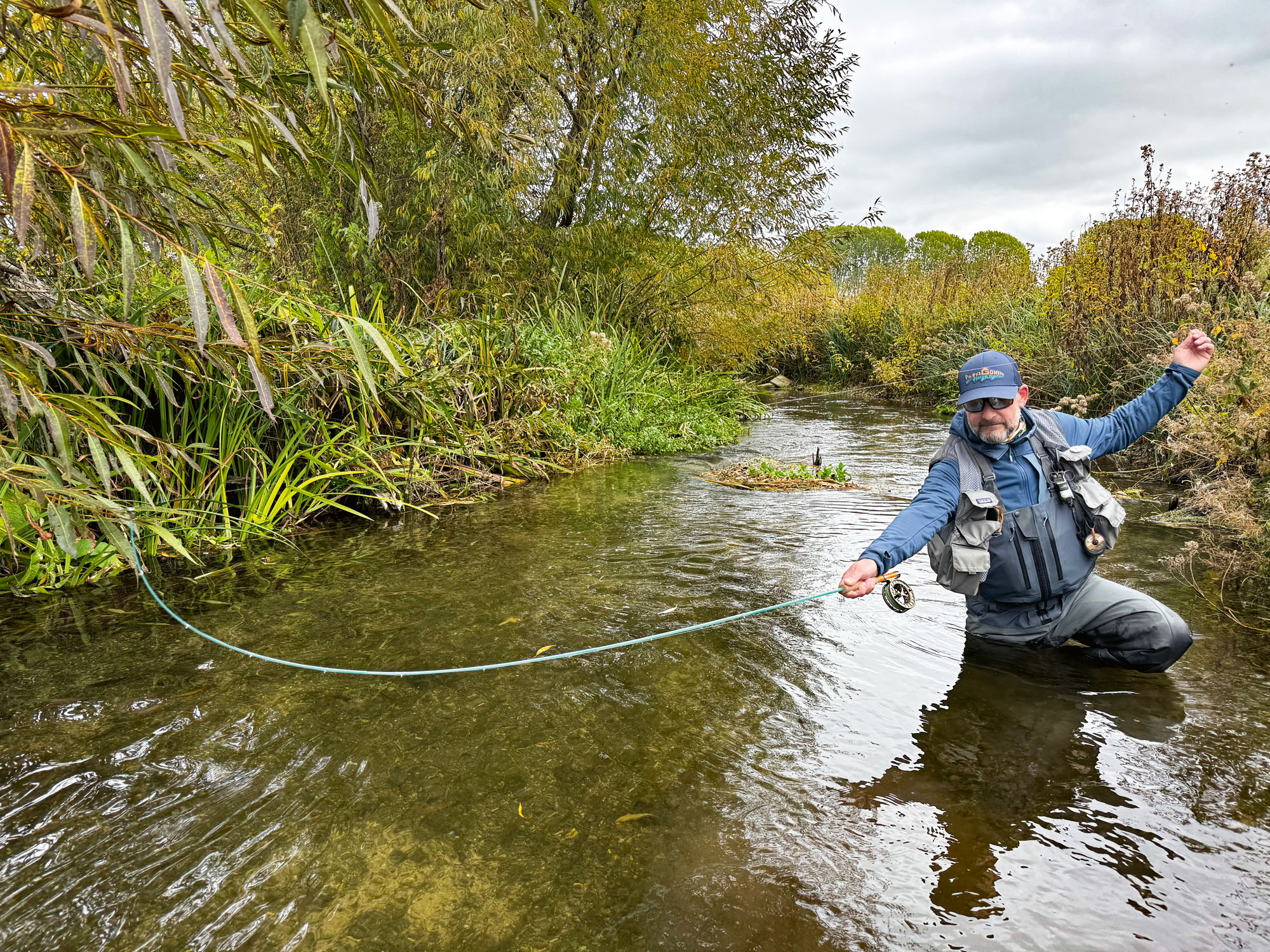

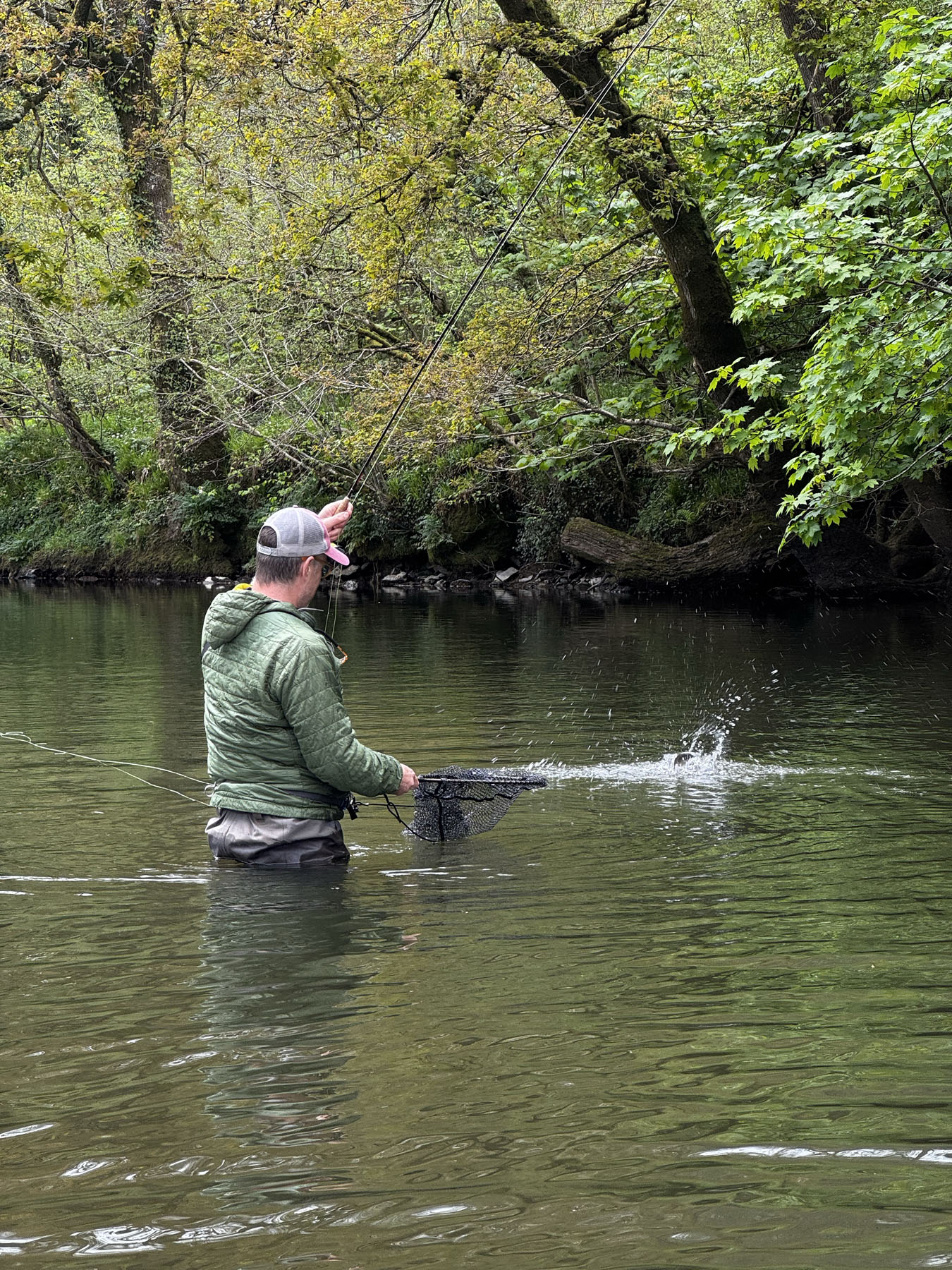
The bow and arrow is one of those casts worth keeping in your fishing armoury. You’re not going to use it a lot, but when you do, it will get you into those hard-to-reach places where bigger fish lurk. It also dawns on me that while I would think of it as a cast to employ in the river, I can also imagine walking along the banks of a reservoir, lake or non-wading beat of a river where you suddenly spot a fish right under your feet. By the time you’ve moved into position and let enough line out to make a conventional cast, the moment may have passed. A bow and arrow is quicker and much faster to execute. The question I’m most often asked is how to hold the fly. There is a fear that you’ll embed the hook in your fingers. I hold the fly upside down at the bend of the hook. If you’re still concerned about hooking yourself, try using forceps. Start by taking hold of the fly in your non-rod hand and trapping the fly-line under the fingers of your rod hand. Point the rod tip at your target and pull the fly back so that it creates a bend in the rod, while remembering not to let go of the line in your rod hand. Take aim and let go of the fly. You’ll not need to do anything with your rod hand or shoot any line. I’m not looking to cover long distances with this cast, but I am thinking about how quietly I get into position as I need to be close to my target. I have experimented with extending the cast by placing the fly and leader on the water and gripping the end of the fly-line instead of the fly, and then making the cast as before. However, I also have to think about how I will set the hook on a fish if the cast works, especially if there is a lot of foliage around me. Over the years, I’ve caught many fish that I would never have been able to cover without the bow-and-arrow cast – some of them nice ones.
Related Articles
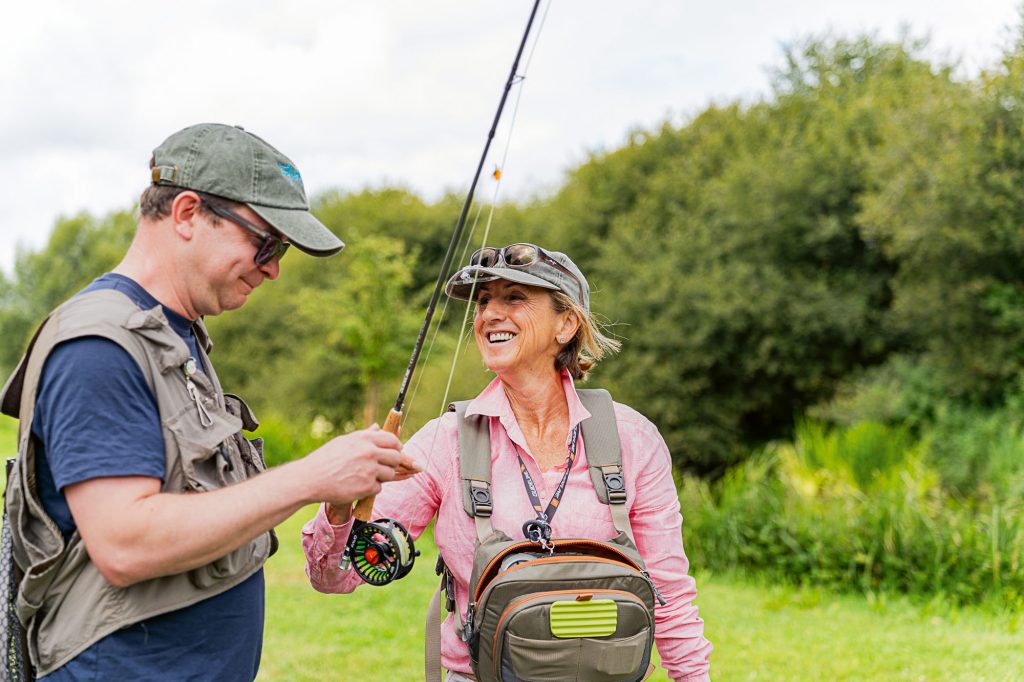
Improve your fly presentation and casting skills
Guide Gilly Bate lists common faults she witnesses and the fixes she applies for better presentation.
By Trout & Salmon
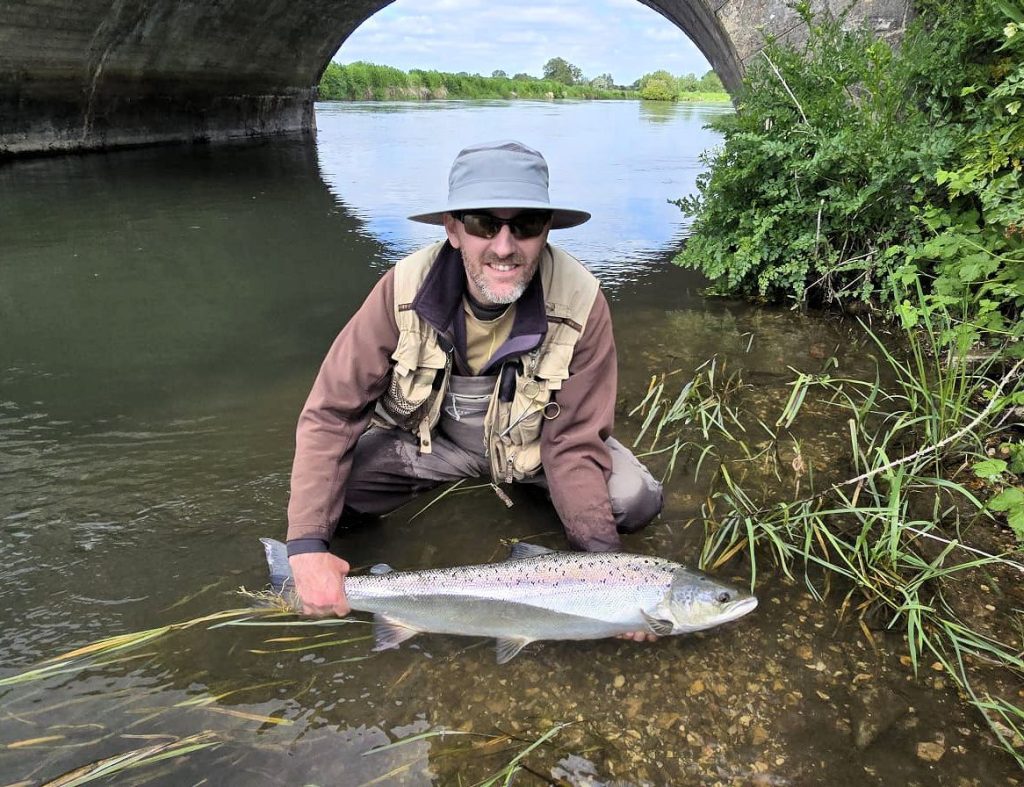
How to photograph your catch
Don Stazicker explains how best to photograph fish. This guide provides essential techniques for capturing stunning photos while ensuring the fish's well-being and minimal stress.