★ Click here to enter the Trout and Salmon crossword for the chance to win a Loop Z1 double-handed rod★
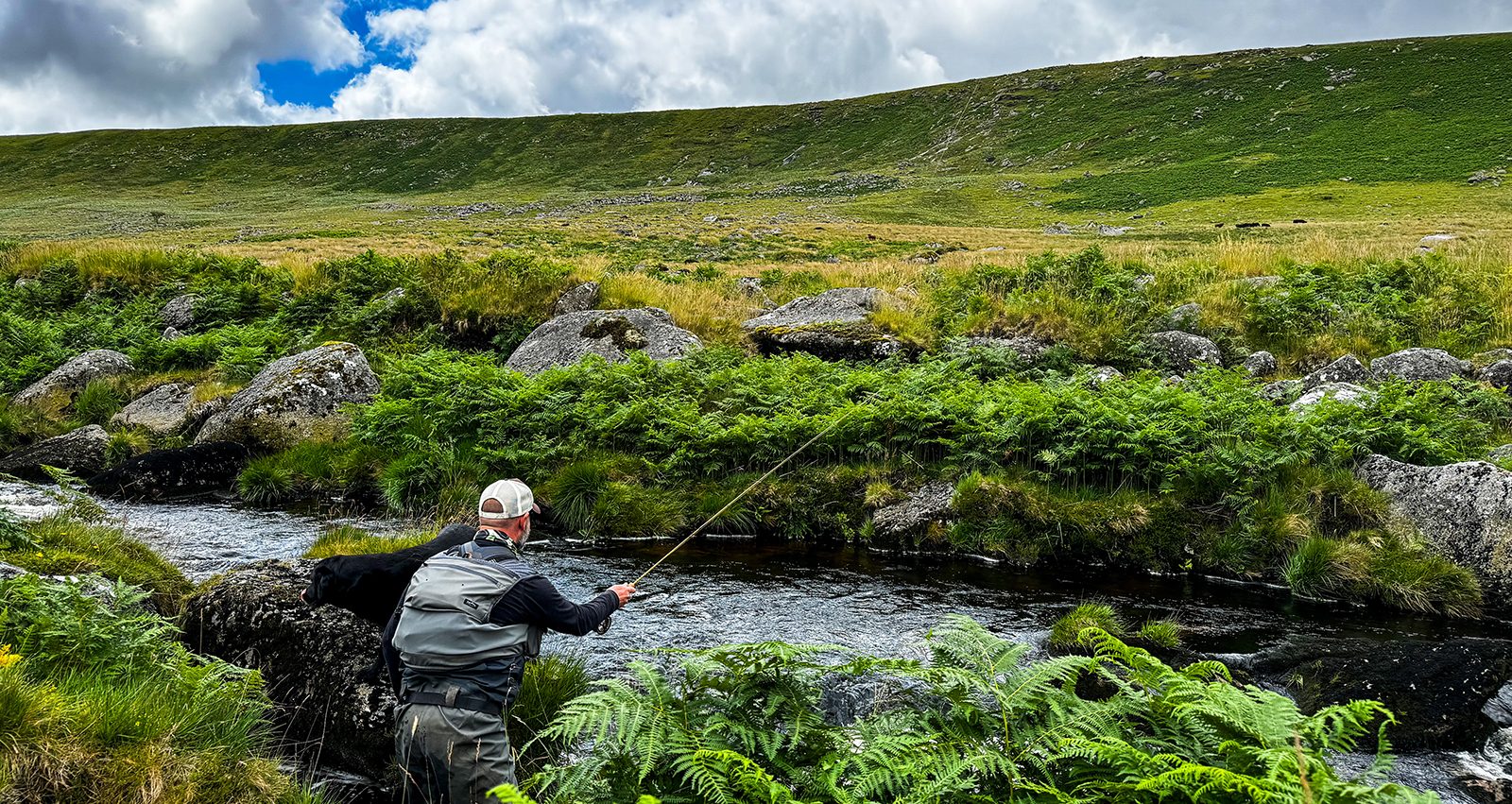

The parachute cast: a simple skill that solves big problems
On UK rivers, drag is the dry-fly angler's constant enemy. The parachute cast is the quiet, unglamorous answer, building slack into the line so the fly drifts naturally for those few extra seconds that fool a wary trout
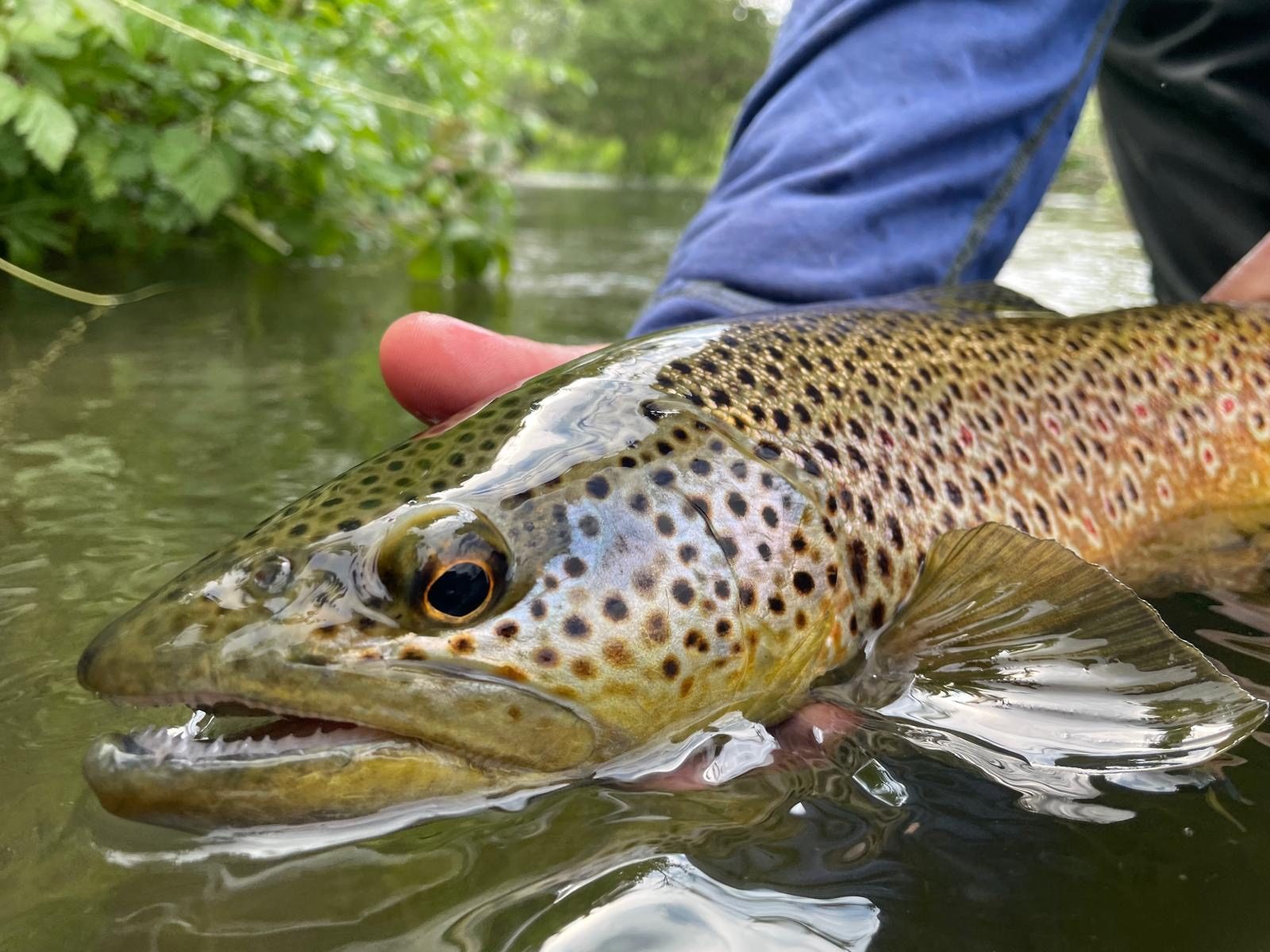

Of all the casts a fly angler learns, few are as useful and as underappreciated as the parachute cast.
It isn’t as glamorous as a tight-looped distance cast, nor as visually impressive as a perfectly executed reach cast. Yet on many UK rivers it is arguably the most practical presentation cast of all. Whenever drag-free drift matters, and particularly when fishing dry flies to wary trout, the parachute cast can make a significant difference.
Why the parachute cast works
The principle is simple. Rather than allowing the fly line to straighten fully in the air before landing under tension, the caster deliberately checks the forward cast slightly higher than normal. As the loop unrolls, the line and leader lose momentum and descend gently towards the water. The fly lands first, followed by a series of loose curves in the leader and fly line that resemble the folds of a descending parachute.
Those folds are precisely what make the cast so effective.
The greatest challenge facing river anglers is drag. Rivers rarely flow at a uniform speed. Faster currents pull on the fly line while slower currents hold the fly back. The result is an unnatural drift that trout often reject immediately.
The parachute cast builds slack into the system from the outset. Instead of landing straight and tight, the leader and fly line settle onto the water with controlled curves. These curves absorb the differing currents and allow the fly to drift naturally for longer before drag develops.
On heavily fished rivers, where trout may inspect a fly for several feet before deciding whether to take it, those extra seconds of drag-free drift can be crucial.
How to make a parachute cast
The technique itself is relatively straightforward.
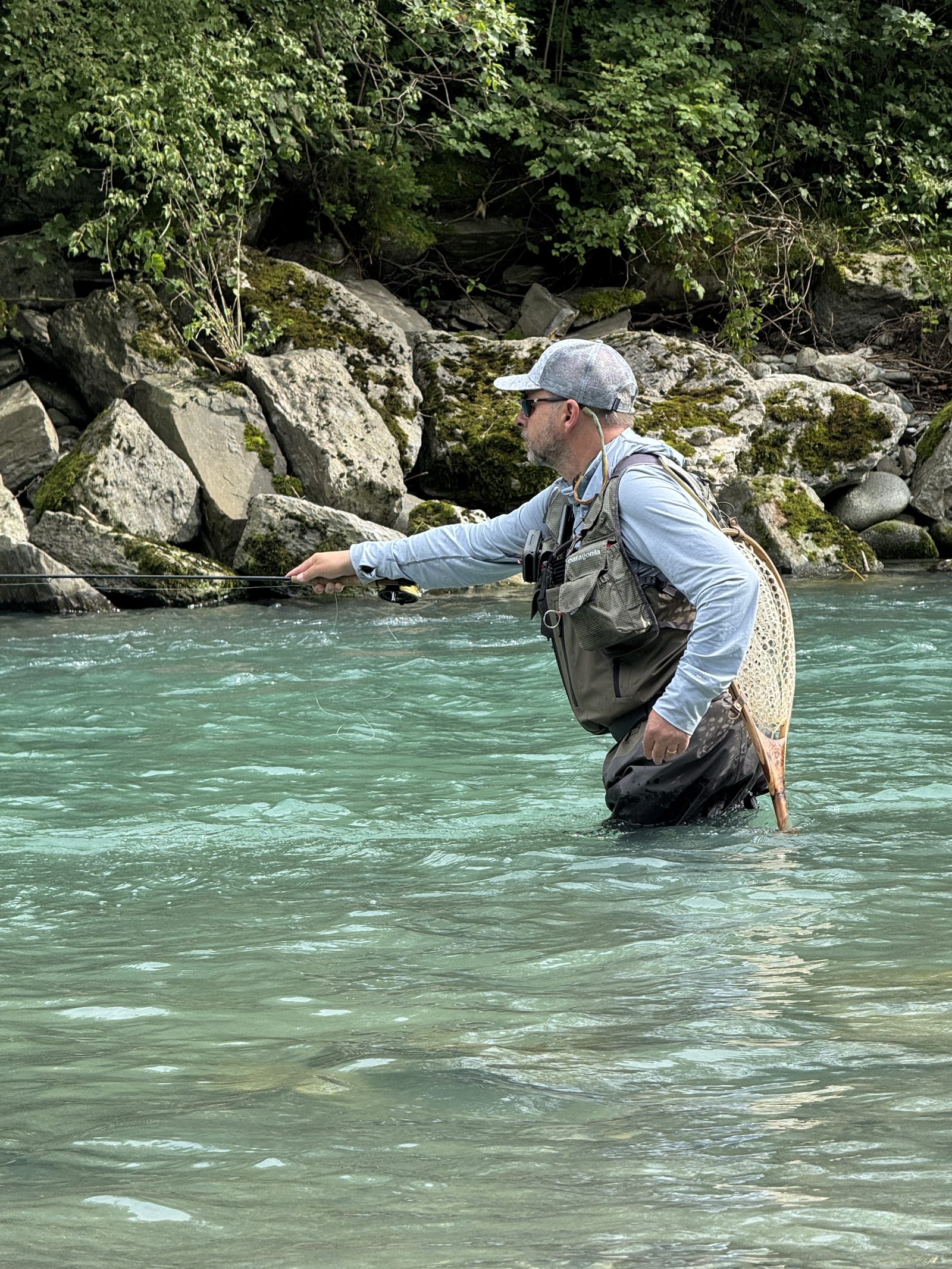
Begin with a normal overhead cast and focus on accuracy first. During the final forward delivery, raise the rod tip slightly higher than you would for a standard presentation and stop the rod positively. As the loop unfolds, lower the rod tip gradually, allowing the line to lose energy before it lands. The objective is not to pile line onto the water but to create gentle, controlled slack.
One common mistake is attempting to force the cast. Excessive power causes the line to straighten completely, eliminating the very slack you’re trying to create. Less power and better timing usually produce superior results.
When to use it
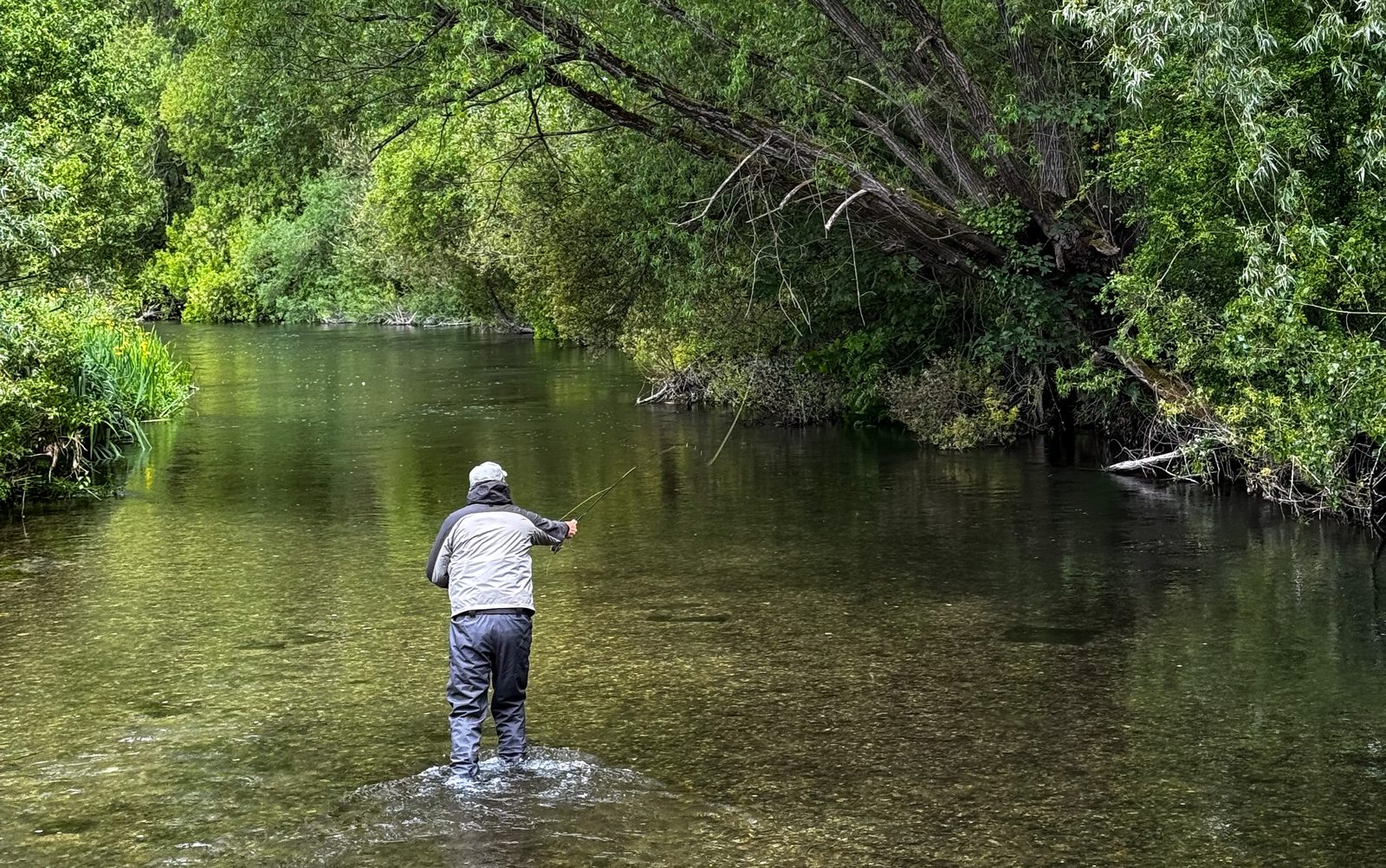
The cast is particularly useful when fishing downstream or across currents where immediate drag is likely to occur. It also works exceptionally well when targeting individual rising fish. If a trout is feeding rhythmically beneath overhanging vegetation, a parachute cast can provide the natural drift needed to convert an inspection into a confident take.
Like all presentation casts, the parachute cast works best when combined with good observation and sensible positioning. No amount of casting skill can compensate for poor approach or incorrect fly choice.
But when the trout are feeding selectively and the river is determined to create drag, few techniques are more valuable.
It is not a cast designed to impress other anglers.
It is a cast designed to fool trout.
And ultimately, that is what matters most.
Frequently Asked Questions
What is a parachute cast?
A parachute cast is a presentation cast in which the angler checks the forward cast slightly higher than normal so the line and leader lose momentum and settle with loose curves, the fly landing first. Those curves resemble the folds of a descending parachute and build slack into the line for a longer drag-free drift.
What causes drag in fly fishing?
Drag is the unnatural movement of the fly caused by a river flowing at different speeds across its width. Faster currents pull on the fly line while slower water holds the fly back, dragging it across the surface in a way that trout often reject immediately.
When should you use a parachute cast?
It is most useful when fishing downstream or across mixed currents where drag develops quickly, and when targeting individual rising fish, especially a trout feeding rhythmically beneath overhanging vegetation. The extra seconds of drag-free drift can turn an inspection into a confident take.
Related Articles
Tips and advice
Trout
Luck, skill and the anglers who always seem to catch
We all know the angler who catches on the day nothing is happening, the one everyone calls lucky. Watch a little more closely and a different picture emerges, made up of small habits and quiet decisio...
By Pete Tyjas
Trout
Being there: an early start with just the river for company
Returning to the water after a busy few weeks away, the editor finds solace in a slow, patient morning session where the ultimate reward isn't found in numbers.