★ Click here to enter the Trout and Salmon crossword for the chance to win a Loop Z1 double-handed rod★

Luck, skill and the anglers who always seem to catch
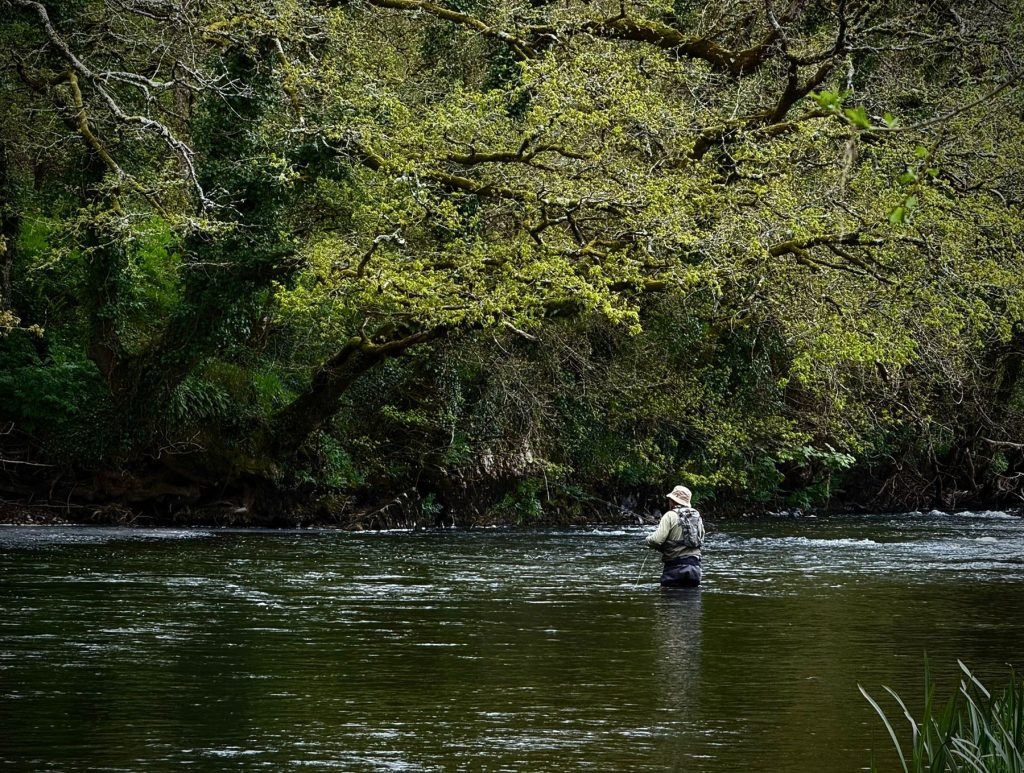
We all know the angler who catches on the day nothing is happening, the one everyone calls lucky. Watch a little more closely and a different picture emerges, made up of small habits and quiet decisions
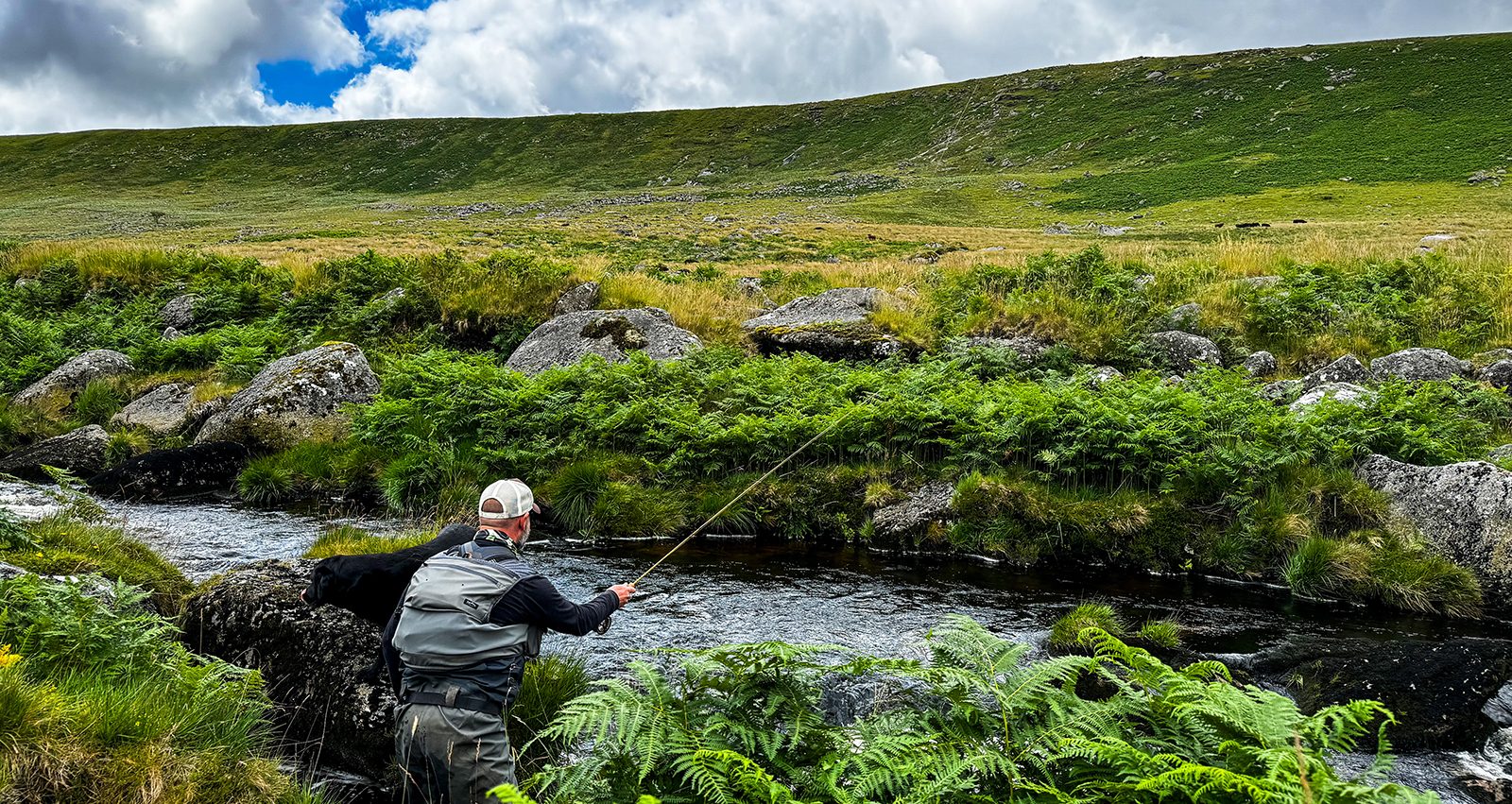

We’ve all fished with them. You know the sort. The angler who turns up on a day when nothing appears to be happening. No flies on the water. No fish showing. A cold upstream wind. The sort of conditions that encourage long conversations about tea, sandwiches and whether it might be worth heading home early.
And yet somehow, by the end of the day, they’ve caught.
The strange thing is that these anglers are often described as lucky.
“They’re always lucky.”
“Fish just seem to like them.”
“I don’t know how they do it.”
For years, I believed that myself. Then I started paying closer attention.
Most of us remember the fish they catch. We rarely notice all the little things they do beforehand.
It starts before the first cast
The best fly anglers I know seem to approach difficult fishing differently. When conditions are easy, everyone catches fish. During a heavy mayfly hatch on a chalk stream, success can come quickly. The real separation happens when things become difficult.
Take a typical day on a trout stream in late summer. The river is low and clear. The sun is high. The fish are feeding sporadically, if at all.
Many anglers will continue fishing exactly as they did when conditions were better.
The successful angler won’t.
They shorten leaders. Lengthen leaders. Change fly size. Move more slowly. Spend longer observing. Fish the shadows rather than the obvious lies. They adjust continuously.
More importantly, they keep believing there is a solution.
That mindset matters.
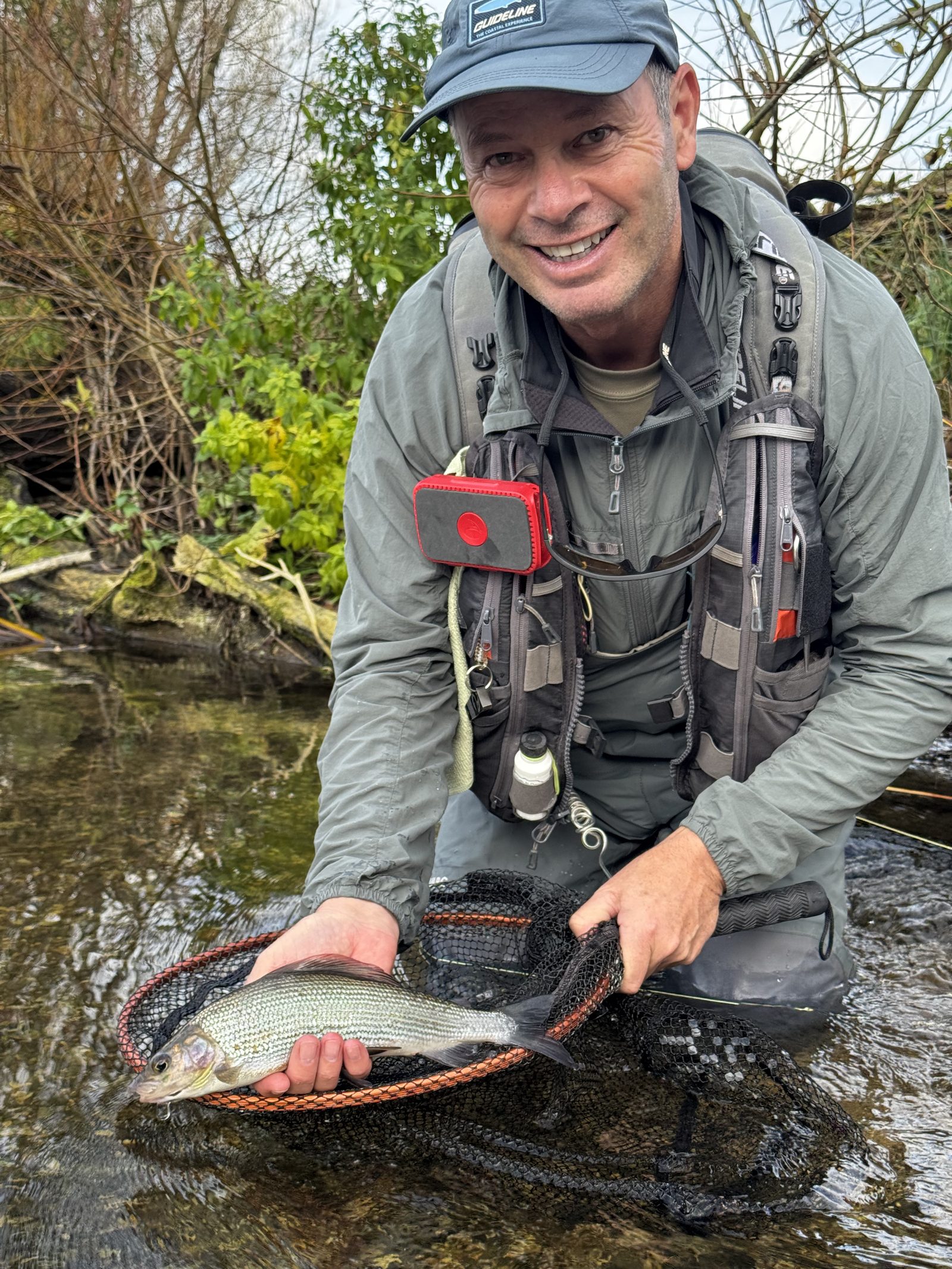
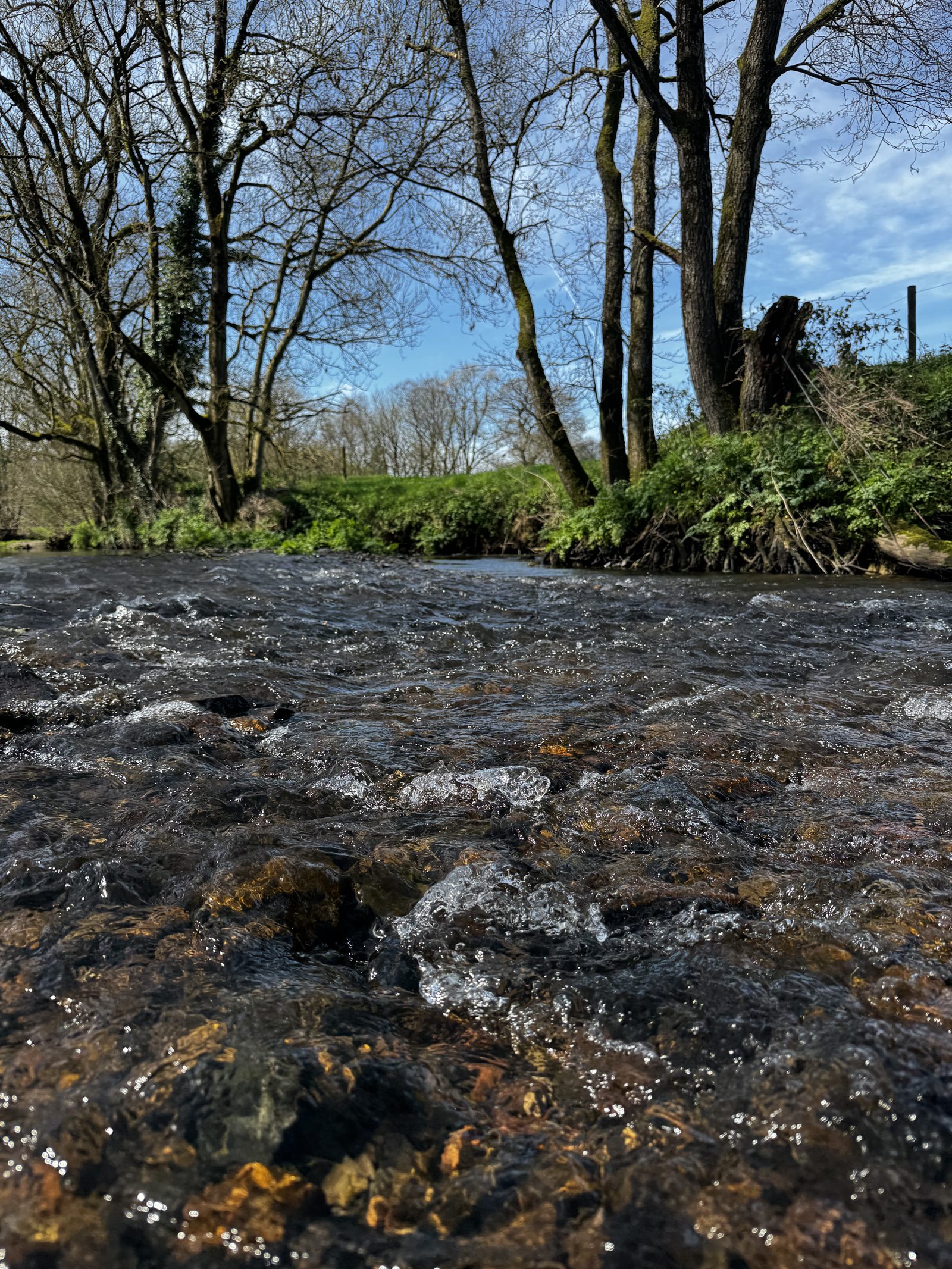
I’ve watched excellent anglers spend twenty minutes studying a single rising trout while everyone else has marched past looking for easier opportunities. Eventually they catch it.
To the casual observer, it looks like luck.
What isn’t seen are the years spent learning currents, understanding insects, improving presentation and developing confidence in difficult situations.
The same is true on salmon rivers
The same applies to salmon anglers. Some seem to raise fish from apparently empty pools. Often it isn’t because the fish weren’t there for anyone else. It’s because they covered the water more carefully, controlled the fly more effectively or recognised a holding lie that others ignored.
The best anglers notice details.
They notice the one fish rising beneath overhanging branches. The slight change in current speed. The single spent spinner trapped in a crease. Tiny clues that suggest a possibility.
And fishing is often a game of possibilities.
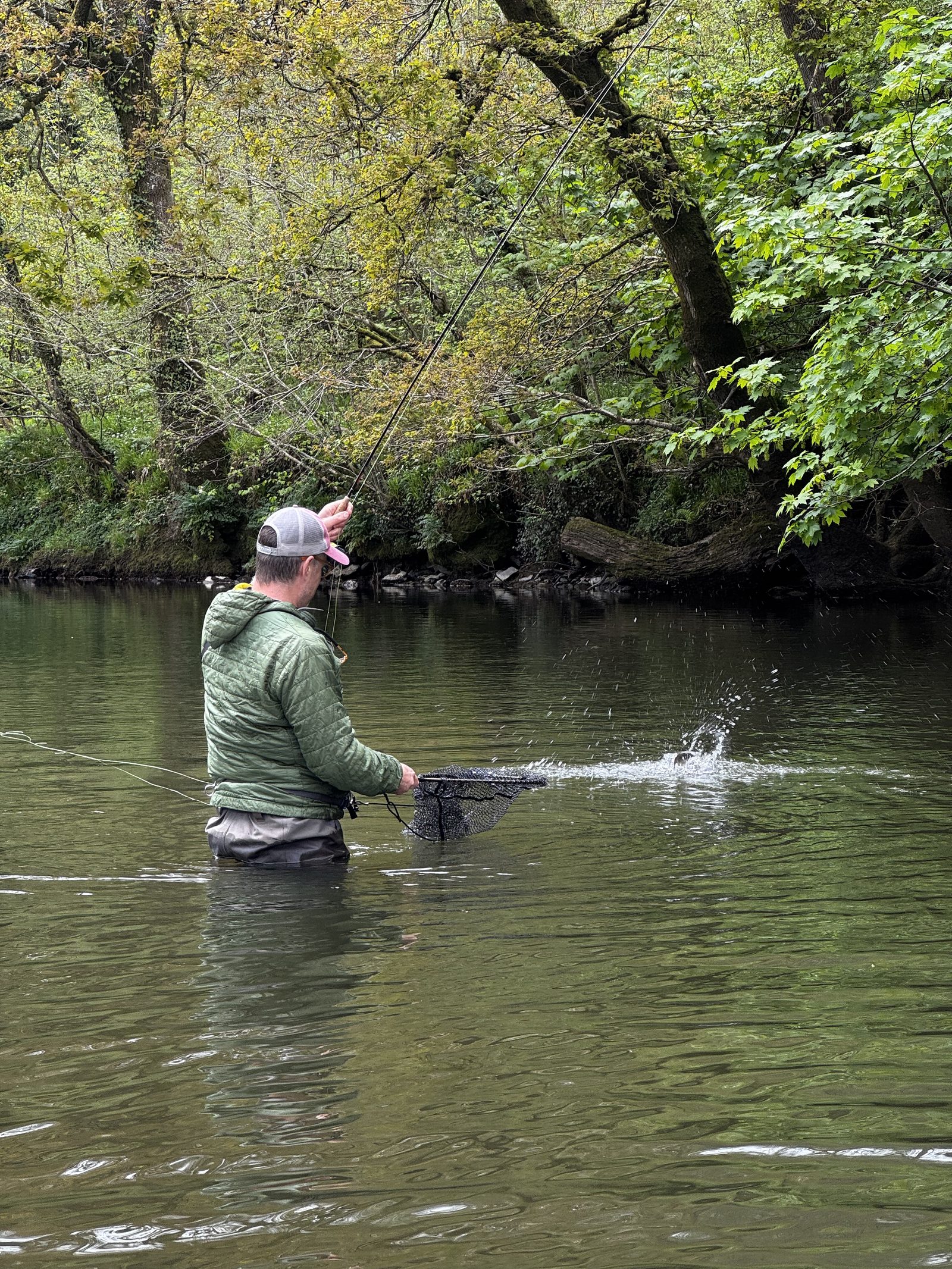
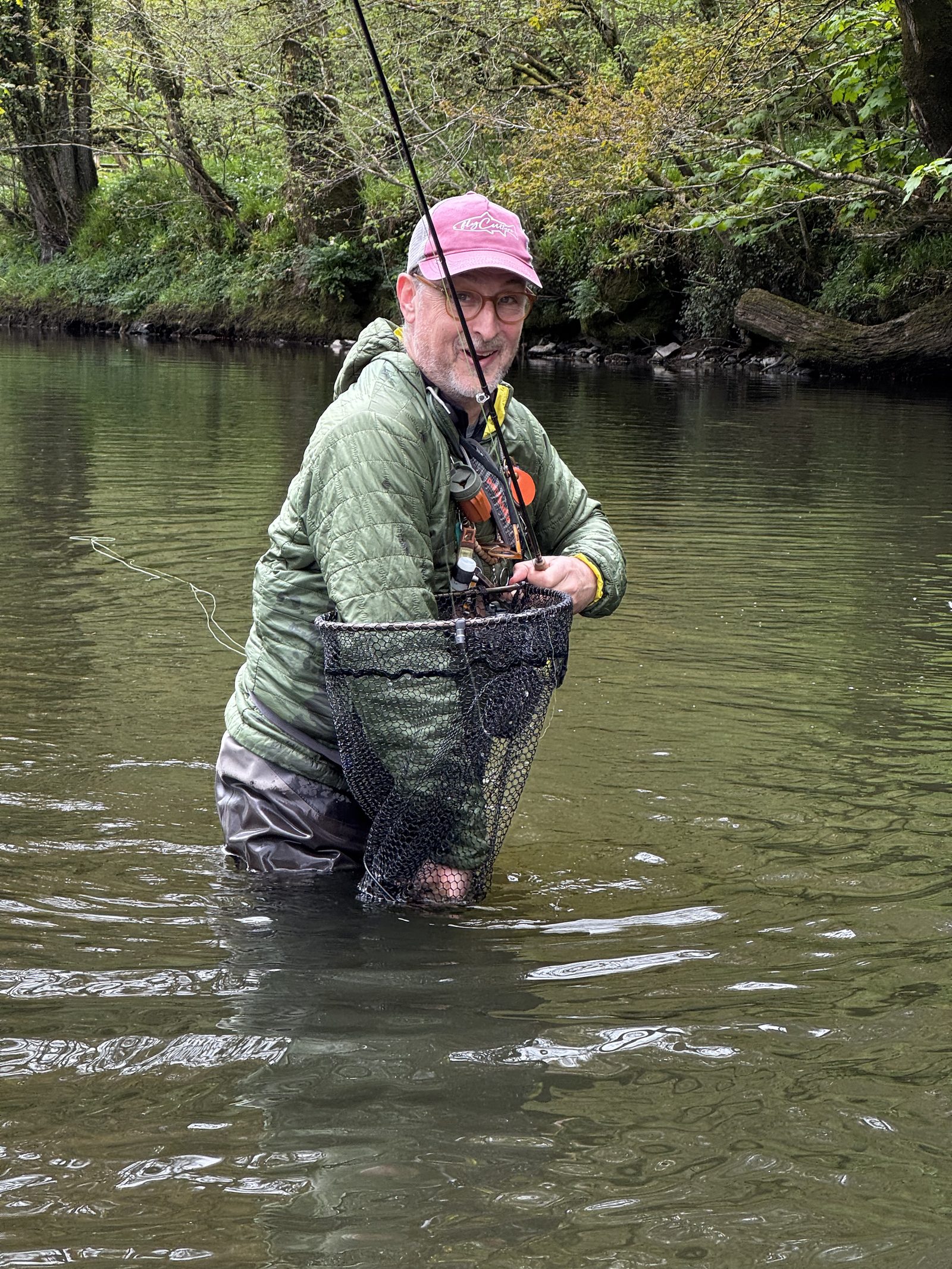
Of course, luck does exist. Sometimes a fish simply appears at the right moment. Sometimes the first cast lands in exactly the right place. Sometimes everything comes together.
But the anglers who consistently appear lucky are usually creating more opportunities for luck to happen.
That’s why they continue catching when fishing becomes difficult.
Not because they’re blessed by the angling gods.
Not because they possess secret flies or magical abilities.
Simply because when conditions become challenging, they continue looking for answers while the rest of us are looking for excuses.
And more often than not, the fish reward them for it.
Frequently Asked Questions
What is watercraft in fly fishing?
Watercraft is the accumulated ability to read a river and the fish in it: spotting holding lies and rising fish, judging changes in current speed, recognising which insects are about, and working out how to present a fly without being seen. It is the quiet skill behind anglers who keep catching when conditions are hard.
Why are trout harder to catch in low, clear water?
When a river runs low and clear under bright sun, trout can see more, feel more exposed and feed only sporadically. They sit tight, inspect flies for longer and reject anything that drifts unnaturally, so success depends on careful observation, lighter presentation and a more patient, mobile approach.
Does luck really play a part in fly fishing?
Luck exists: a fish can appear at the right moment, or a first cast can land in exactly the right place. But anglers who consistently seem lucky tend to create more chances for luck to happen, through better water coverage, fly control and a refusal to give up when fishing becomes difficult.
Related Articles
Tips and advice
Trout
The parachute cast: a simple skill that solves big problems
On UK rivers, drag is the dry-fly angler's constant enemy. The parachute cast is the quiet, unglamorous answer, building slack into the line so the fly drifts naturally for those few extra seconds tha...
By Pete Tyjas
Trout
Being there: an early start with just the river for company
Returning to the water after a busy few weeks away, the editor finds solace in a slow, patient morning session where the ultimate reward isn't found in numbers.