★ Click here to enter the Trout and Salmon crossword for the chance to win a Loop Opti reel★
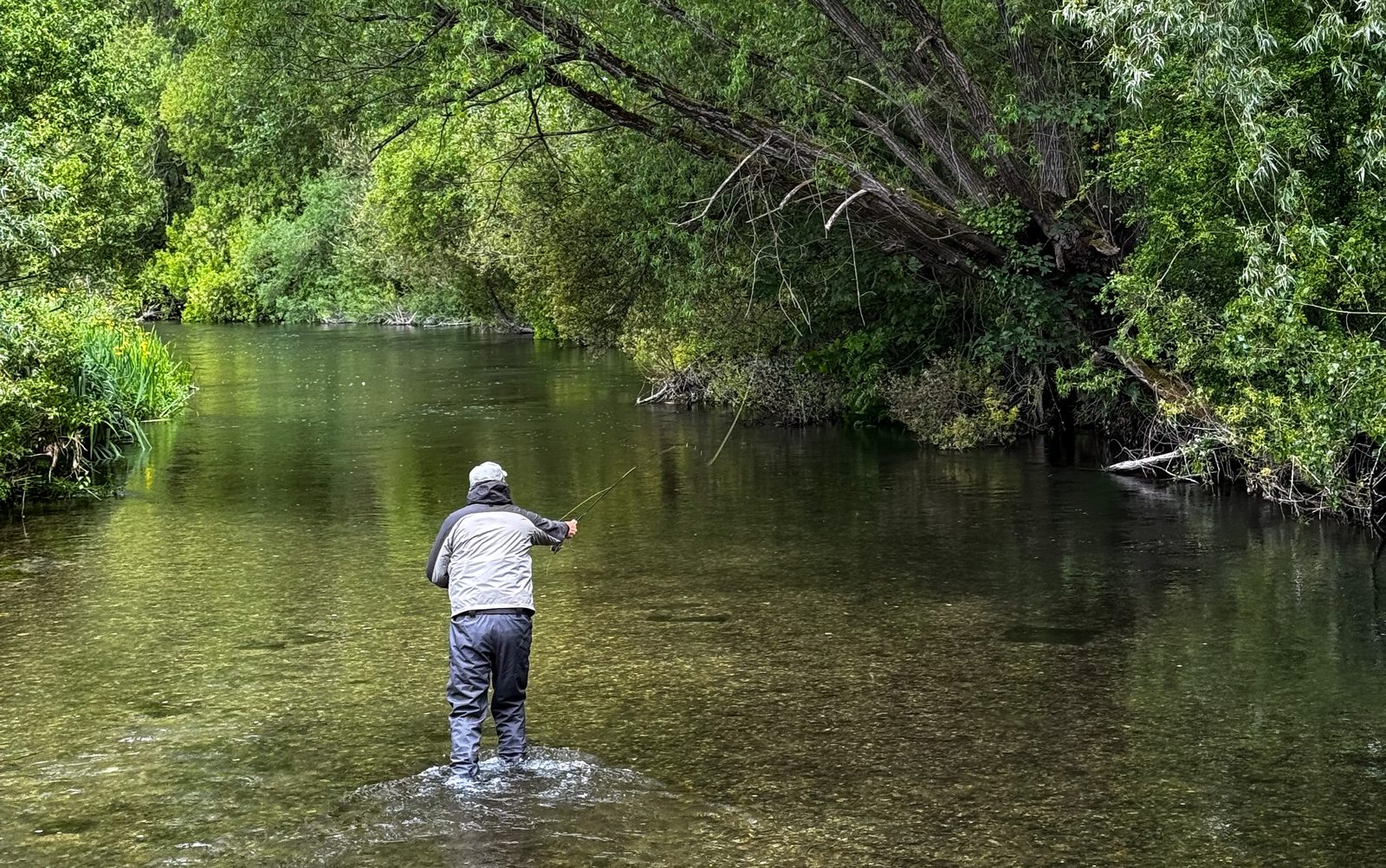


Why terrestrials deserve a place in every fly box
When the hatch dies and the river falls quiet, the answer is often drifting in from the fields behind you – a summer case for fishing ants, beetles and hoppers, and the few flies that earn their keep
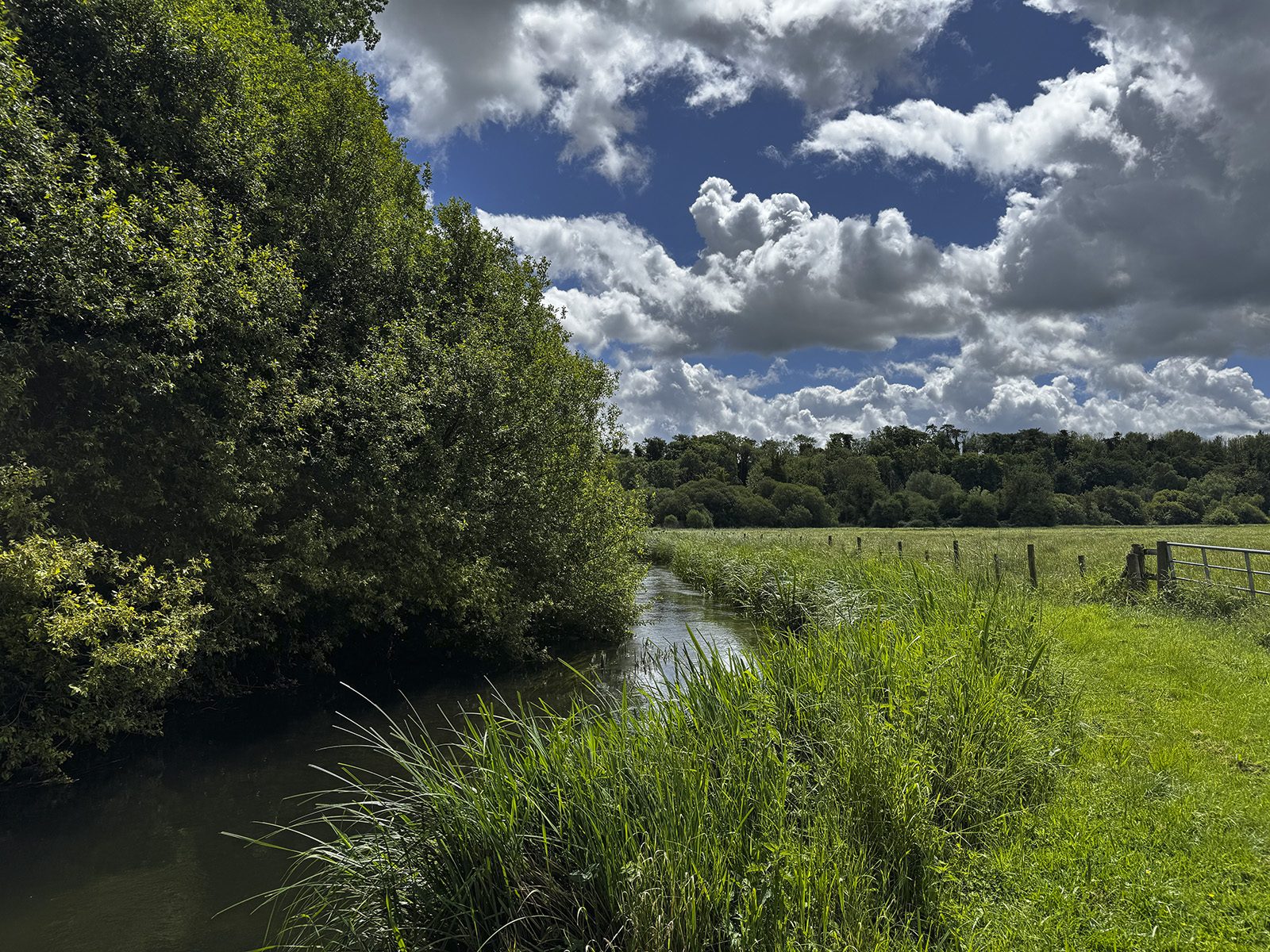 A quiet meadow stream in high summer – the fields and hedgerows behind it feeding the water all day long

There’s a point every summer when I start paying less attention to what’s hatching and more attention to what’s falling in.
For much of the trout season we become obsessed with matching aquatic insects. We scrutinise olives, watch for sedges and carry boxes full of carefully organised imitations. Yet some of the most exciting fishing of the year can come when trout switch their attention to food that was never supposed to be in the water in the first place.
Terrestrials are opportunists’ flies. Ants, beetles, hoppers and the countless other insects that find themselves blown, dropped or clumsily deposited onto the water can provide trout with easy meals. Unlike hatches, which often come and go within a relatively short window, terrestrials can be effective throughout the day, particularly during warm, breezy conditions.
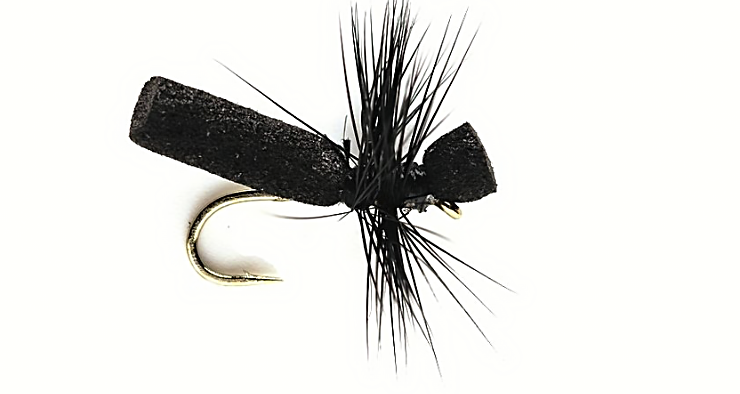
The APT – one fly that suggests several meals at once
One pattern that rarely leaves my fly box is Paul Procter’s APT – the All Purpose Terrestrial. It is one of those flies that seems to suggest several different food items at once without exactly imitating any of them. Depending on the conditions, it could pass for a beetle, an ant, a drowned terrestrial or simply something worth eating. More importantly, trout seem to agree.
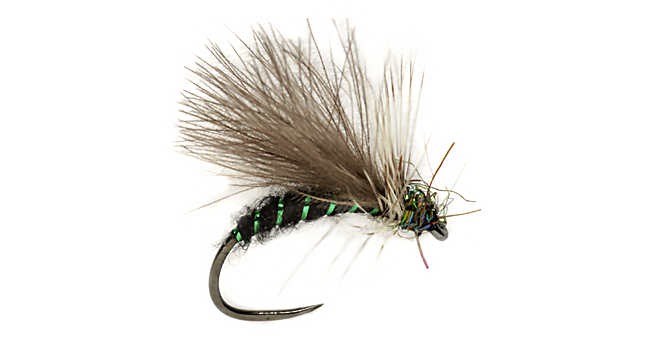
The APT excels when fish are feeding confidently but without showing a clear preference for any particular insect. It lands softly, remains visible and possesses that all-important quality shared by the best trout flies: it simply looks alive. On difficult days, when trout are refusing more exact imitations, the APT often produces surprising results.
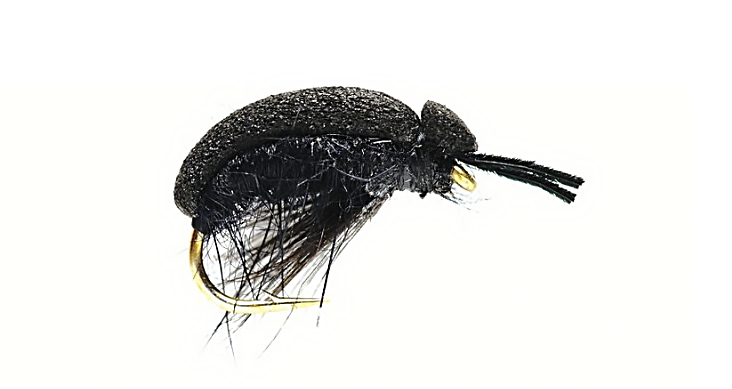
Alongside the APT, several terrestrial patterns from Fulling Mill have become regular performers for me. Foam beetles remain an obvious choice, particularly around overgrown rivers where bankside vegetation constantly supplies food to the current. Black ants can be devastating during summer too.
Why terrestrial fishing feels different
What I particularly enjoy about fishing terrestrials is the freedom they provide. Rather than waiting for fish to become active during a hatch, you can actively search likely water. Undercut banks, shaded creases, foam lines and pockets beneath overhanging trees all become targets. The fishing feels more proactive, more exploratory.
Perhaps that is why terrestrial fishing remains so enjoyable. It appeals to the hunter in us. You are not simply matching a hatch; you are looking for opportunities and presenting something that trout encounter naturally every day.
The next time you find yourself standing beside a river with little sign of fly life, take a moment to look behind you rather than at the water. Chances are the fields, hedgerows and bankside vegetation are full of insects waiting to make an accidental journey downstream.
And somewhere beneath the surface, a trout is waiting for exactly that opportunity.
Frequently Asked Questions
What are terrestrial flies?
Terrestrials imitate land-born insects – ants, beetles, hoppers and the like – that are blown or dropped onto the water, rather than the aquatic insects that hatch from it. Trout take them as easy, opportunistic meals.
What is the APT, or All Purpose Terrestrial?
The APT is a dry fly designed by Paul Procter. Rather than copying one insect exactly, it suggests several at once – a beetle, an ant or a drowned terrestrial – which makes it useful when trout are feeding without a clear preference.
When is the best time to fish terrestrials?
Warm, breezy summer days are ideal, when wind carries insects from the fields and hedgerows onto the river. Unlike a hatch, terrestrial fishing can stay productive throughout the day rather than within a short window.
Related Articles
Tips and advice
Trout
Luck, skill and the anglers who always seem to catch
We all know the angler who catches on the day nothing is happening, the one everyone calls lucky. Watch a little more closely and a different picture emerges, made up of small habits and quiet decisio...
By Pete Tyjas
Tips and advice
Trout
The parachute cast: a simple skill that solves big problems
On UK rivers, drag is the dry-fly angler's constant enemy. The parachute cast is the quiet, unglamorous answer, building slack into the line so the fly drifts naturally for those few extra seconds tha...