- More
-
-
-

-
Overseas Where to fish
Chasing the Atlantic Giants: The Canarian Fishing Event 2026 in Puerto de Mogán
By Canaria Fishing Event
-
-
★ Click here to enter the Trout and Salmon crossword for the chance to win a Loop Z1 double-handed rod★

- More
-
-
-
-
Overseas Where to fish
Chasing the Atlantic Giants: The Canarian Fishing Event 2026 in Puerto de Mogán
By Canaria Fishing Event
-
-

Trout

Attract or reply
Nobody in history ever caught a spooked fish on a fly. However, there is more to stealth than moving quietly and not casting shadows on the water

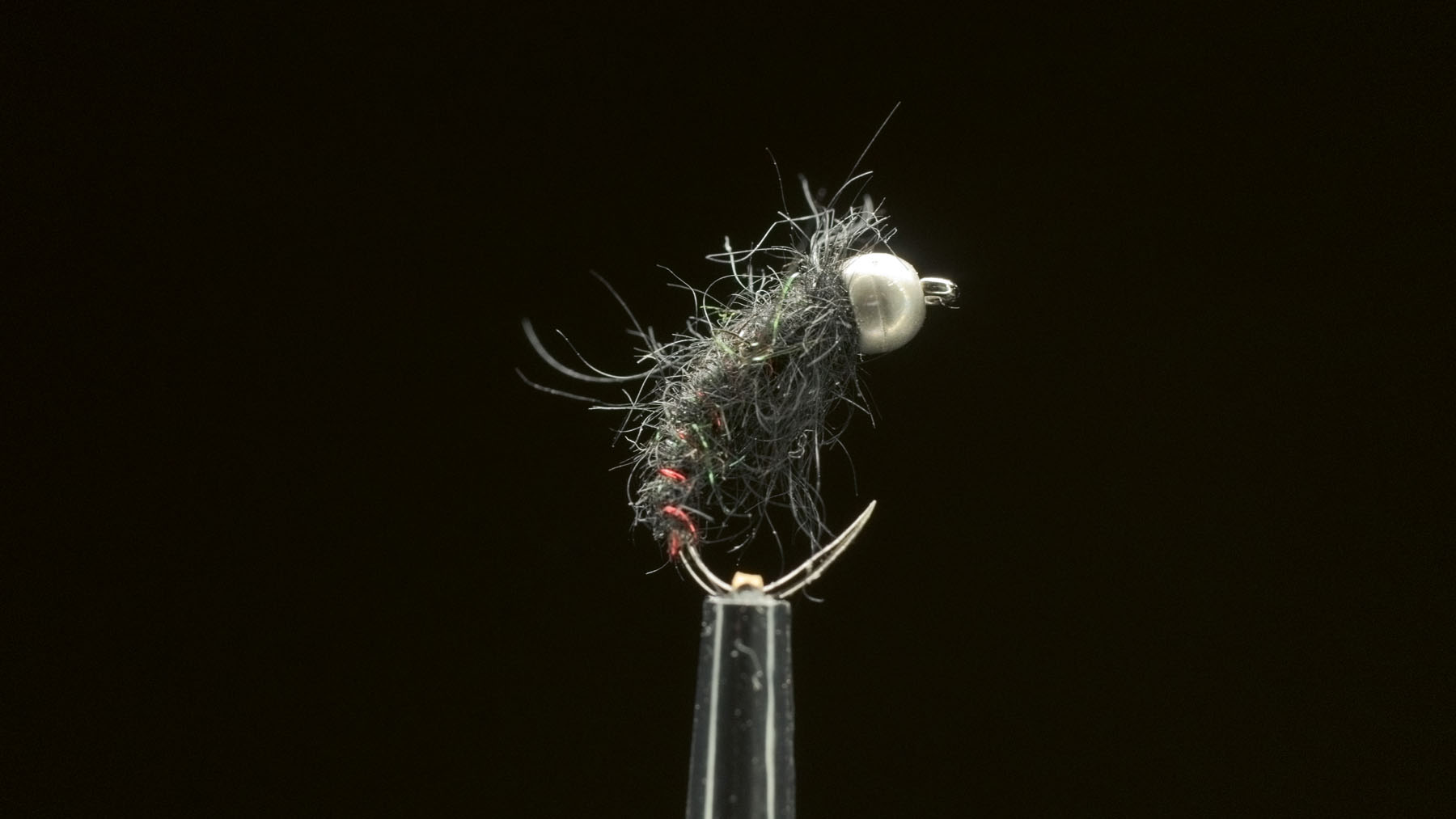
Attract or repel fishing beads of different colour
Words and photography: Dr Paul Gaskell
Conspicuity: The quality of being noticeable or easy to see. That’s what the dictionary says about one of the most important factors we need to manage as fly fishers.
My favourite Victorian wet-fly master, HC Cutcliffe, had a lot to say on this subject: “And thus we shall see that the most conspicuous object is often the most attractive.”
Before making the mistake of defaulting to flies that are as garish as possible, be clear that managing conspicuity is a delicate balancing act. On the one hand, if a fish doesn’t notice your fly, nothing beyond casting practice can happen in fly fishing. However, to counterbalance the urge for extreme conspicuity, what good is it if the main quality a fish notices in our fly is its threatening aura? Using a fish-repelling fly is every bit as bad as using an invisible one. If we accept that you can have either too little or too much conspicuity in your fly, how do we choose? What steps can we take to discover the baby bear’s porridge ‘just right’ level of visibility?
I usually fall back on a stripped-down sequence of what needs to happen to catch a fish when tackling such problems. The chain of events starts with the fish noticing your fly. Next, some level of attraction may lead to acceptance that this item is edible. Although acceptance is enough, in the best case scenario it goes beyond mere reluctant concession. The magical, occasional, component is a powerful compulsion to capture and eat that fly. You can simplify the steps of that process to Attention, Attraction, Acceptance (ideally amplified by Compulsion). If you can provoke all that without first spooking your target fish, then you’re really on to something. Unfortunately, the line between compulsion and repulsion is fine and difficult to see. A bit like 7X tippet.
First, scare no fish
Nobody in history ever caught a spooked fish on a fly. However, there is more to stealth than moving quietly and not casting shadows on the water. Those things are vital but may be insufficient on their own. The very fly itself, or even some part of its dressing, can easily cross the threshold from unappealing to actively frightening. This possibility is what puts the brakes on simply defaulting to wildly conspicuous flies. Risks of choosing a scary pattern are probably worse in hard-fished areas. The problem is, unless you can see your target fish, you can’t detect any difference between an unappealing fly and a positively terrifying one. The only indication you get at the angler’s end of the rig is a lack of takes. How do you avoid this dilemma?
Instead of going straight to your most garish fly, it’s worth reframing the challenge as how to choose one that is ‘conspicuous enough’. Being noticeable while still closing the deal as something acceptable to eat is the main aim. There will still be that whispering voice tempting you to try for the jackpot of exaggerated, compulsive reactions. To keep the gambler’s instinct in check, remember it’s only on certain occasions that trout and grayling in rivers will be open to throwing caution to the wind. While you can often present a fly that is accepted as food, it’s only relatively rarely that your fly pattern can trigger truly compulsive attacks. The wise angler works up to trying such a high risk, all-in strategy. In other words, start drab and work your way up to garish, not the other way around.

Horses for courses
Conspicuity relies on contrast and contrast isn’t universal. Contrast is relative. What stands out is defined by what is going on around the fly as much as the fly itself. It’s how busy the background is. This quite quickly turns into a confusing topic, especially when you factor in light absorption and reflection, fish vision and more. For now, let’s keep it as simple as we can. If there aren’t too many competing visual signals flying around, it’s much easier to notice any fly. Put simply, when the surroundings are bright, calm and without lots of suspended particles or thick swarms of ascending nymphs, your fly will stand out. This is a great time to remember swarms of alternative, appealing food can be pretty effective camouflage for your fly; especially when considering close-copy patterns. The take home message is you should always gauge how much competing background noise you need to contrast your fly against.
Start with what seems like the minimum you’d need to be noticed and, if necessary, turn up the conspicuity from there. My winter grayling fishing-trip photos here came from a day when fish wanted nothing to do with ‘hot’ orange or pink shades in the fly or bead. You can trust me when I say that wasn’t for lack of trying. I was hoping to tap into deeply-rooted, compulsive reactions to bright beads triggered by exposure to stray trout eggs from over-zealous spawning attempts. That is one of the times to go all out and ramp up the extreme colour shades. Unfortunately, I blew it by going too garish too soon. Not a flicker troubled my line while using those flies. I suspect multiple fish may have fled in terror and spoiled a number of potential photo opportunities. Instead, toning down to the silver, white and pale pastel pink/white bead-head nymphs proved highly acceptable to fish. I did, however, need to move on and find undisturbed fish to get those more muted flies to work. Going back to hot orange beads switched off the action again pretty conclusively. By alternately breaking and fixing fishing success through fly choice, you will create a much more solid understanding of what is actually important. When you stop as soon as you find a fly that works, you are at risk of being fooled by simultaneous changes that occurred without your knowledge.
I consider the flies that were working to be just above the lowest tier of absolutely non-spooky flies. There will be bright, low water days that demand only earth tones and tiny flies belonging to that least spooky tier. Any other time, even slightly more competing background noise means you have to put those tiny, drab flies right on the nose of your target fish. A few inches out and you risk drifting your flies down a corridor that is invisible to the fish. That’s the reason you don’t always use tiny drab flies as the best option. It’s another reminder to always try to gauge the backdrop against which you are presenting your flies.
Hidden in the brief descriptions of fly characteristics is one consistent advantage I’ve found. Specifically, the enduring appeal of a silver bead is something you may find useful. It seems these retain their acceptability to fish far better than gold beads on popular rivers. Perhaps it’s something to do with silvery air bubbles or the shimmering appearance of pre-hatch pupae both being natural phenomena? Maybe it is the ability of silver, mirror-like surfaces to reflect their surroundings? Perhaps fewer anglers use them on average? I don’t pretend to be certain of any answers. I do feel confident that silver beads tend to perform well on hard-fished waters.

Flies for anglers
Conspicuity is not all about the fish. It can be about the angler’s eyes too. I very much like the idea of functional flies that provide an angler with benefits beyond how attractive they are to fish. One of my favourite applications of this idea is to use a fly that is more visible to the angler during use. The reason I feel it’s worth mentioning here is it’s very common to use brightly coloured wing posts on dry-flies. It’s much less common to choose wet-fly and nymph dressing materials for the same purpose. Fundamentally, this tactic relies on the fly creating sufficient contrast to be visible against its surroundings. At the same time, we still need to be mindful of presenting a fly that the fish notices but doesn’t cause alarm. Satisfaction arrives when you successfully select a pattern visible to the angler but which doesn’t spook the fish.
This was something I enjoyed in pursuit of the photos for this article. While not always visible for every second of every cast, there were still plenty of opportunities to watch my white bead patterns pass through sections of water. During those windows of visibility to the angler, valuable additional bite detection is available. In that sense, the bead colour is providing two different functions, depending on whether you are the fish or the angler. What it needs to do for the fish is to be noticed, not cause alarm and not get in the way of the fly being accepted as food. If it can do those things while also being more conspicuous to the angler’s ability to detect takes, you’ve created one of those rare but fantastic compound benefits. It’s especially lovely when you see the indistinct white blob suddenly disappear in a shadowy swipe from a previously invisible fish. That materialisation of a beautiful, hunting fish from what was a peaceful ribbon of flowing water is exactly the magic we seek as anglers.