★ Click here to enter the Trout and Salmon crossword for the chance to win a Loop Z1 double-handed rod★

Tips and advice

The next level
Competitions have many aspects, but fishing effectively is fundamental
This may well seem almost heretical coming from someone who genuinely believes that fly fishing is still the best thing that ever happened to him.
Whether it’s simply being by the water and appreciating the day – sometimes catching, sometimes not – it doesn’t really matter. I just love to fish.
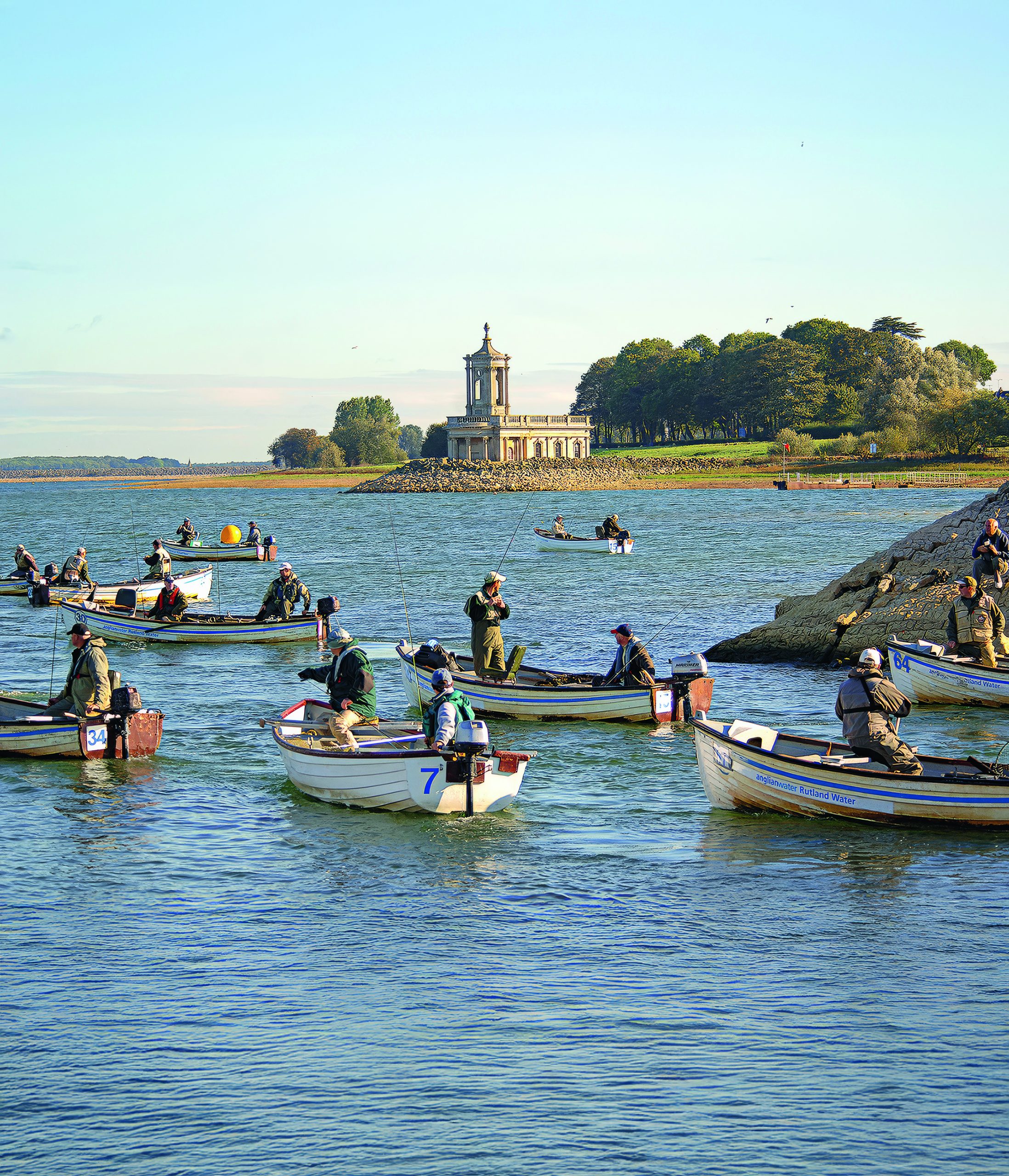
But – and this is where my ethos may clash with some views – I do believe that if you want to fast-track your skills and step up to the next level, then getting involved in competitions is a good move. Alternatively, paying for guided days with top-flight competition anglers can achieve much the same thing.
There, I’ve said it.
It’s been a long time since my own competition days, but I honestly believe they made me a better angler.
Way back, catching a few better-than-average fish and writing the occasional article led to invitations to fish club and charity events. With some decent results, I found myself fishing larger competitions and mixing with anglers I greatly admired. Those of a similar vintage may remember the Benson and Hedges years on the reservoirs and the dominance of certain England Team members. I was fortunate to fish in Bob Church’s team, alongside my own hero, Charles Jardine, and we did well.
Later came the early small fisheries championships, some held at Dever Springs – where I would eventually live – and I won the two I entered. Around that time Tony Pawson, then a World Champion, invited me to fish the European Open.
Although life was already busy – running a fly shop and a syndicate fishery – I decided that if I was going to fish competitions, I would take them seriously. Preparation became more focused and I fished a handful of venues on the Continent over the next few years. A run of results (2nd, 1st, 2nd, 3rd and 2nd, plus three times being a part of the winning team) then convinced me I’d probably taken things as far as I wanted to. I’d also seen aspects of the competition scene that didn’t sit comfortably with me, so apart from the occasional fun or charity event, I stepped away.
But – those days genuinely improved my fishing, and I’m very glad I did them.
So why? What was it that made me a more effective fly fisher?
Competitions have many aspects, but fishing effectively is fundamental. By that I mean having your fly – or flies – in the water 100% of the time. No tangles, consistent turnover when casting, quick knot-tying, no fumbling for leaders, snips or fly boxes. Always – but always – staying in touch, because you can’t watch the line or rod tip all the time.
It also means being acutely aware of what’s happening on the fishery – wind direction, light, fish movement, what other anglers are doing, which retrieves are working and which areas are producing. Slipping into autopilot – casting the same distance, using the same retrieve, rarely changing fly – simply doesn’t work, unless you get extraordinarily lucky.
Essentially, it’s about concentration. And although I rarely had the opportunity to practise on a venue, I made sure my gear was in order and my casting up to scratch.
A lot of it comes down to faith – in your ability, your flies and your approach. While I love fishing where I can actually see the fish, that’s a luxury that doesn’t often occur. Even when I can’t see into the water, I try to visualise what’s happening beneath the surface. You have to believe there’s a fish within range of your fly, and that all you need to do is convince it to take.
It’s a tall order, but that’s where you see anglers who seem to ‘know’ when a fish is about to take – who have a sixth sense for what’s happening at the end of their line.
If your time is limited and you can’t gradually work your way up to a competitive level, then sessions with a top guide can really pay off. They may not always make it happen, but they have the experience to suggest subtle tactical changes and shorten the learning curve.
Personally, I have the utmost respect for guides. They spend long hours on the water, cater for a wide range of abilities, show immense patience, and do their very best to get you into fish – day after day. It takes a special sort of person, which is why the most sought-after guides aren’t always easy to book. Oddly enough, word of mouth is often the best way of finding the right help.
And if you do improve your fishing, gain confidence and then find yourself drifting into competitions – don’t blame me.