Words and picture: Nicol Paton
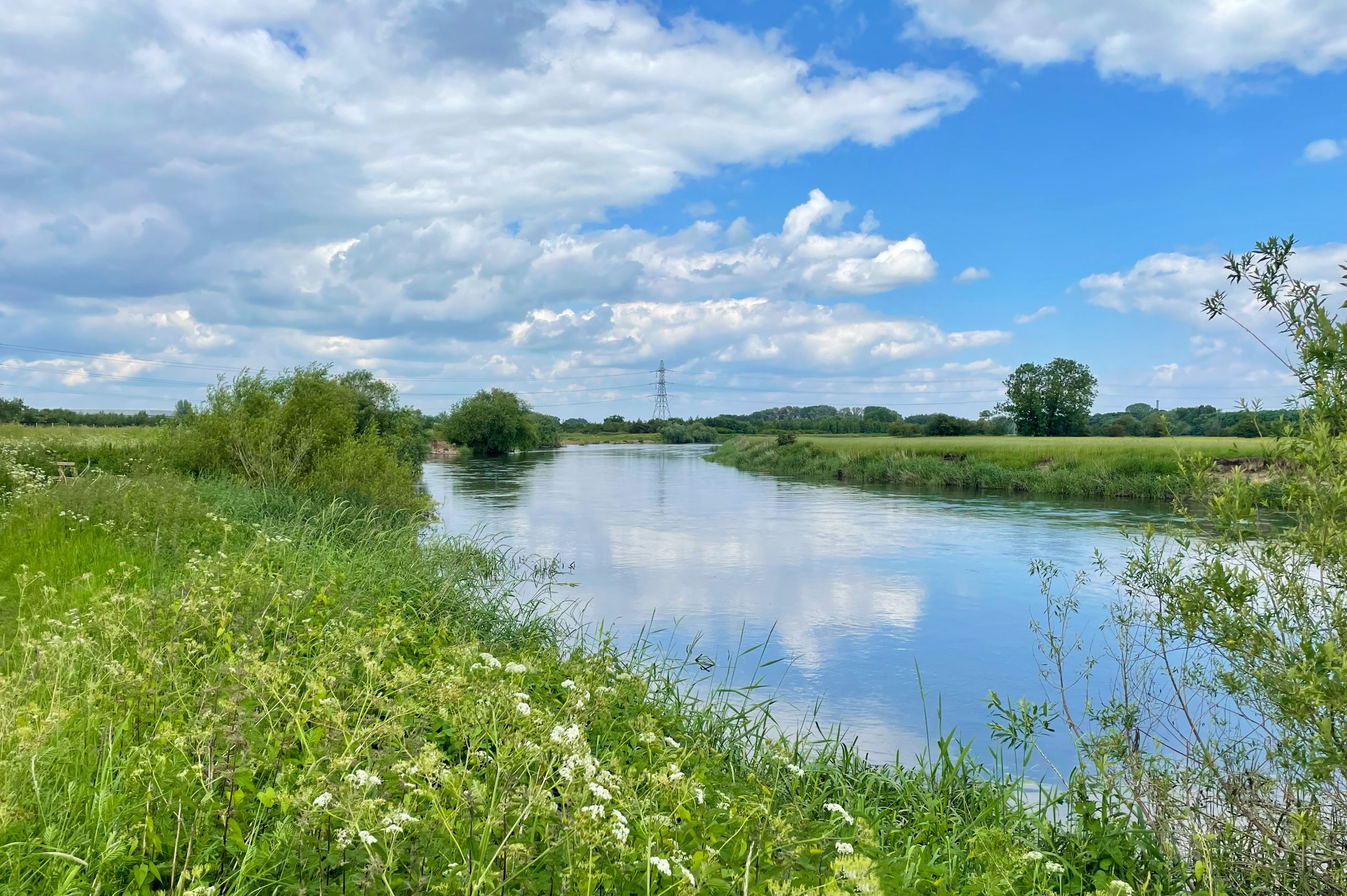
Picture the scene: you approach the head of a salmon pool and can see fish showing in a channel on the far side. It’s a 45-yard cast. The first 20 yards or so are shallow water, which gradually shelve off into the deep channel. How can you maximise your chances of getting a fish to take your fly?
As a fishing guide and ghillie based on the Aberdeenshire Dee, I’ve seen all sorts of scenarios where a salmon will take the fly. I’ve often seen a bad cast and a terrible-looking fly produce the goods; however, the angler who adopts a consistent, methodical and diligent approach, and who fishes to the conditions, will undoubtedly catch more fish over the season. Here is one piece of advice to help you increase your chances of getting that elusive bar of silver to take your fly.
When fishing in this sort of scenario, it’s important to get the fly turning over and fishing straight away. Fish will often take instantly, or within the first 5-10 seconds of the swing. If you make a bad cast and the fly lands with a plop, and you still have 3-4 yards of running line in your hands, my advice is to clamp the line straight away and reel in the excess line. Letting that excess line slip through your hands and the rod rings – sometimes taking 3-4 seconds for the line to gain tension – significantly reduces your chances of inducing a take.
During those 3-4 seconds of slack line slipping away, the fly is simply drifting down the pool rather than pulling across the stream. It may not always be in the first 5-10 seconds that a fish takes the fly, depending on the pool, so making sure your fly fishes all the way through to the dangle is vitally important.
But which fly should I choose? I’ve often heard people say that flies are designed to catch fishermen, not fish. While there is an element of truth in this, there’s nothing better than looking through a well-organised fly-box full of patterns and choosing that killer fly.
Here in Scotland, I think the pattern becomes more important as the season progresses. In spring fishing, it’s more about getting the right size, weight and profile of fly and putting it in front of the noses of the salmon. When fishing in typical spring conditions, I tend to have around three favoured flies, which I’ll carry in various shapes and forms – from dressed doubles to tungsten tubes.
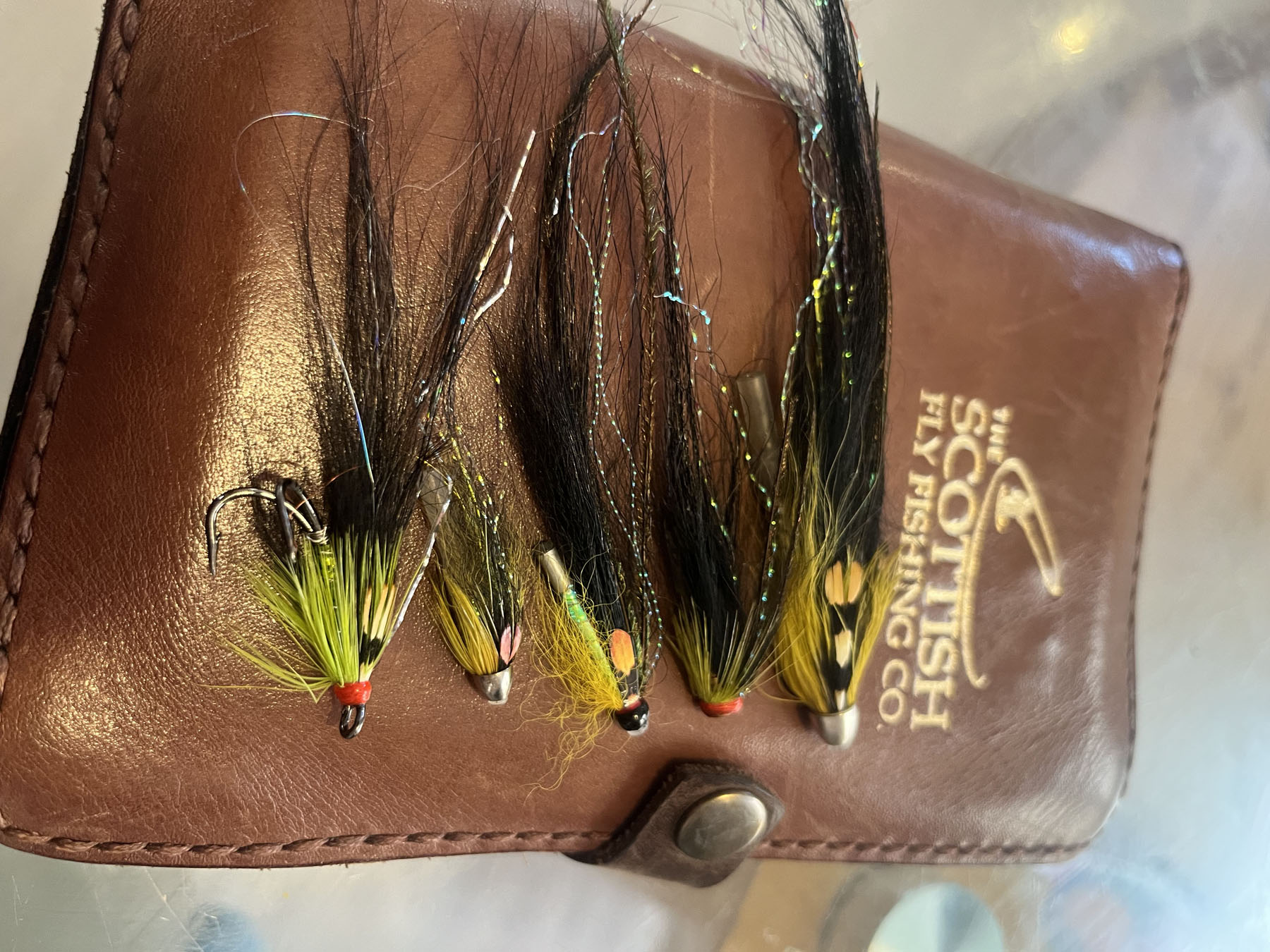
One great fly, which is very well known on the Dee, but works everywhere, is the Dee Monkey. I like this fly because it’s versatile and can be fished in a number of ways. In early spring, I like to fish it square, deep and slow. As it’s a hair-winged fly, there’s a lot of movement in the wing. Although I prefer to fish it slowly, I always like to keep the fly moving as it starts to lose its swing, or when it comes from a fast flow into a quiet bay in high water. Moving the fly as it enters the seam is often where a fish will take.
As the season progresses, the Dee Monkey can be fished in a lighter form with more pace injected into it, or as a small conehead or dressed double in a more conventional fashion. I’ve had plenty of success with all of these variations.
Dee Monkey (Nicol Paton variant)
Tube: Aluminium, copper or tungsten
Thread: Uni Thread or similar
Body: Pearl Mylar tinsel
Rib: Silver oval tinsel
Wing: Black goat hair (or polar bear/fox underwing)
Hackle: Yellow hen saddle with peacock herl through
Cheeks: Jungle cock