★ Win a VALLON prize bundle worth almost £500! Enter here ★


Fly tying - Page 1
Fly tying: patterns, step-by-step guides and materials for trout and salmon
There is something in fly tying that fishing alone can never quite satisfy. The vise, the thread, the moment a pattern comes together – and then the fish that takes it. Trout & Salmon’s fly tying pages exist for anglers who understand that.
Our step-by-step pattern guides cover the full spectrum – dry flies, nymphs, wet flies and emergers for wild brown trout and reservoir rainbows, through to hairwing and tube flies for salmon and sea trout. From classic patterns like the Ally’s Shrimp, Willie Gunn and Sedgehog to modern synthetics and Euro nymphing techniques, we cover the flies that actually catch fish on UK waters.
Materials advice, tool reviews and tying tips from some of the most respected names in the sport. The bench starts here.
Latest news
-
 Fly tying
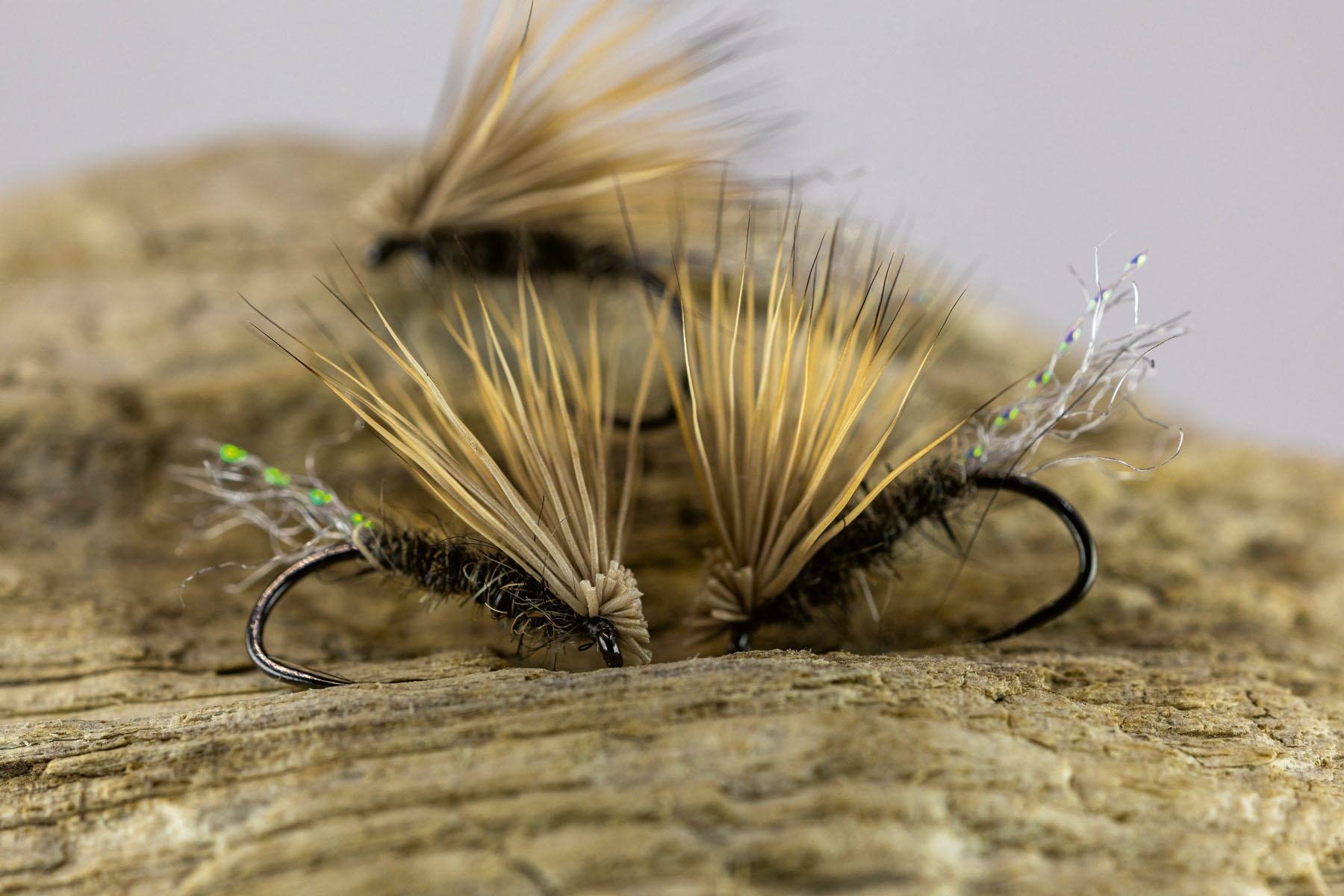
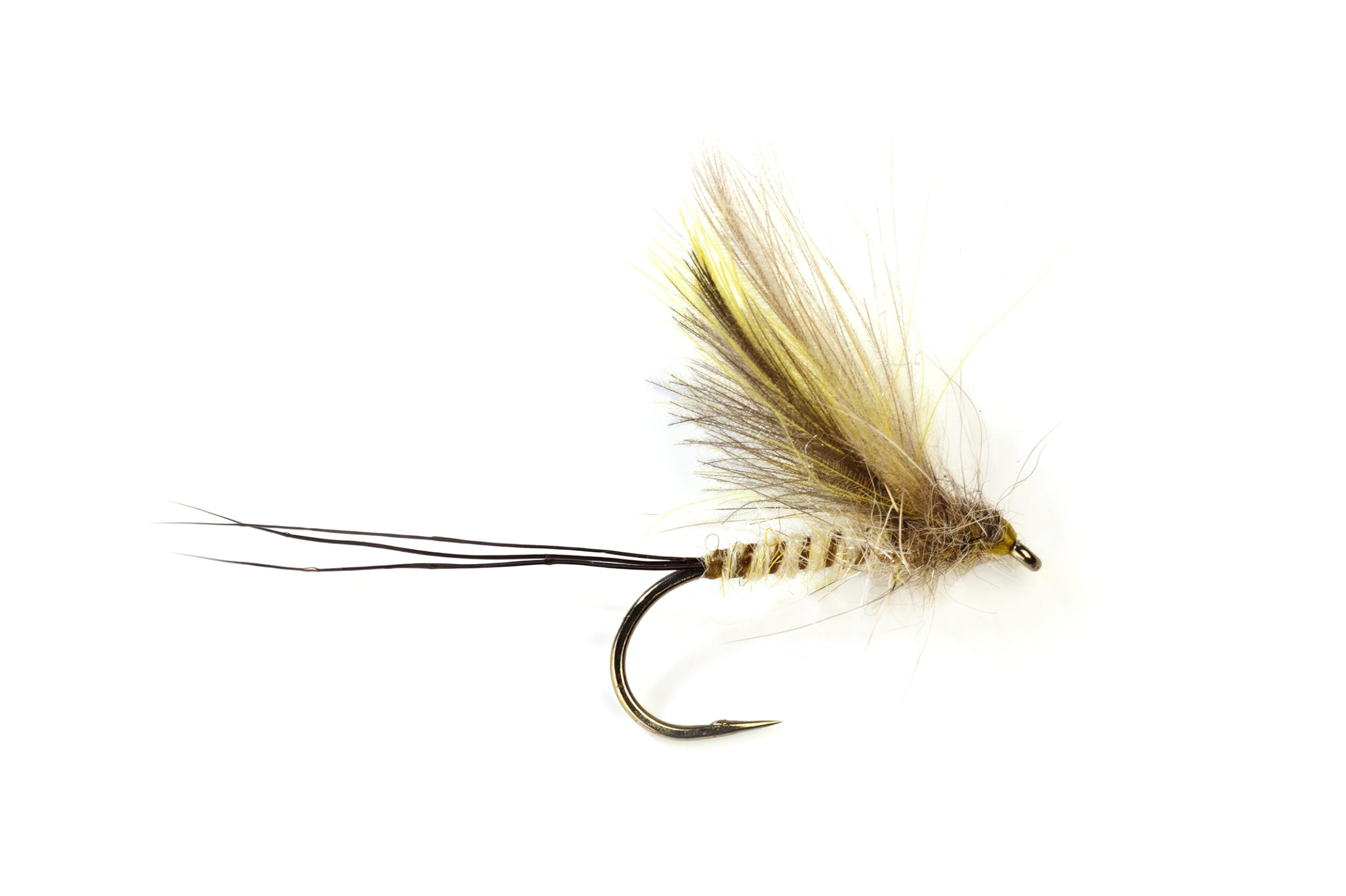
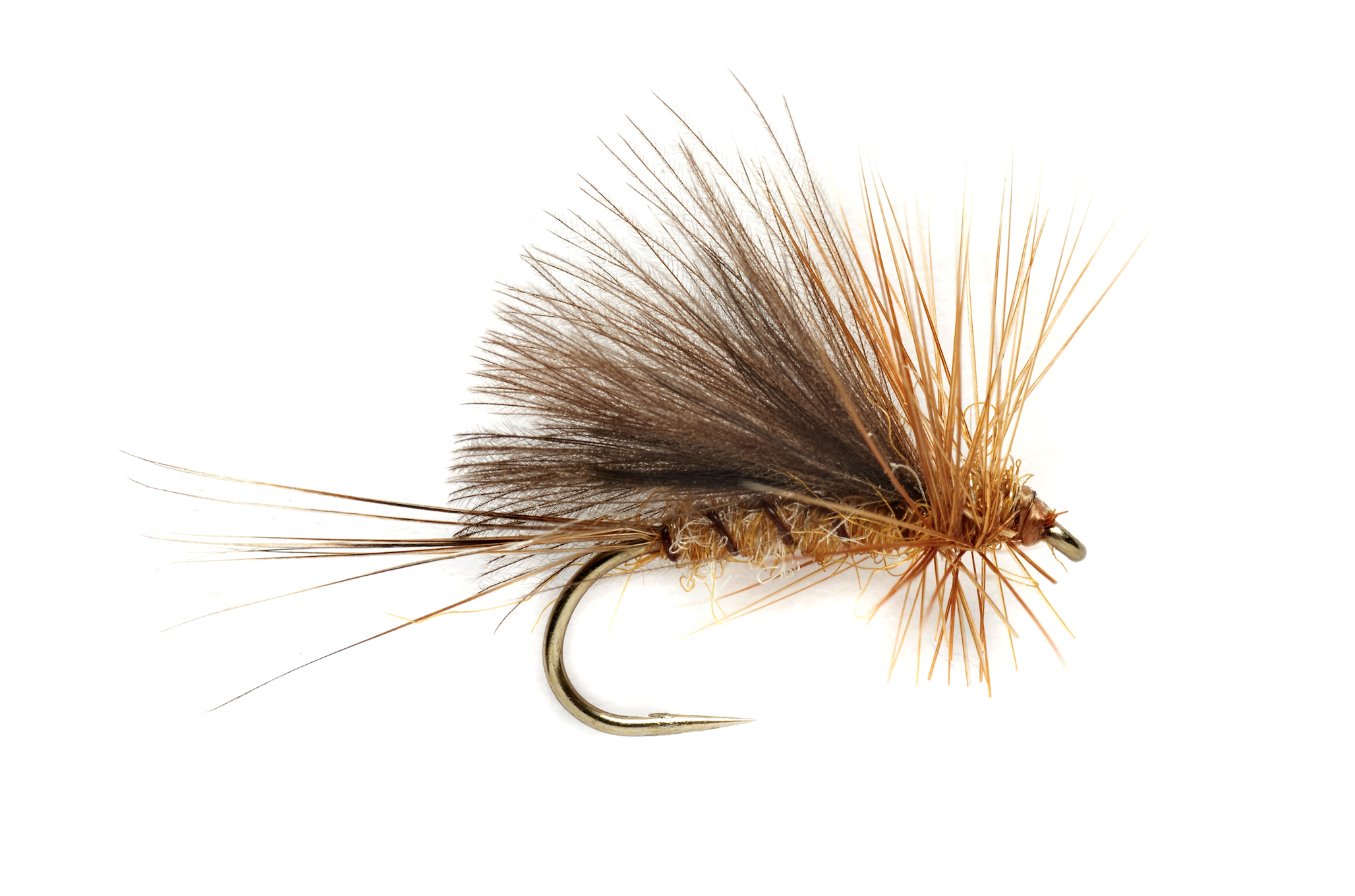
The X-factor
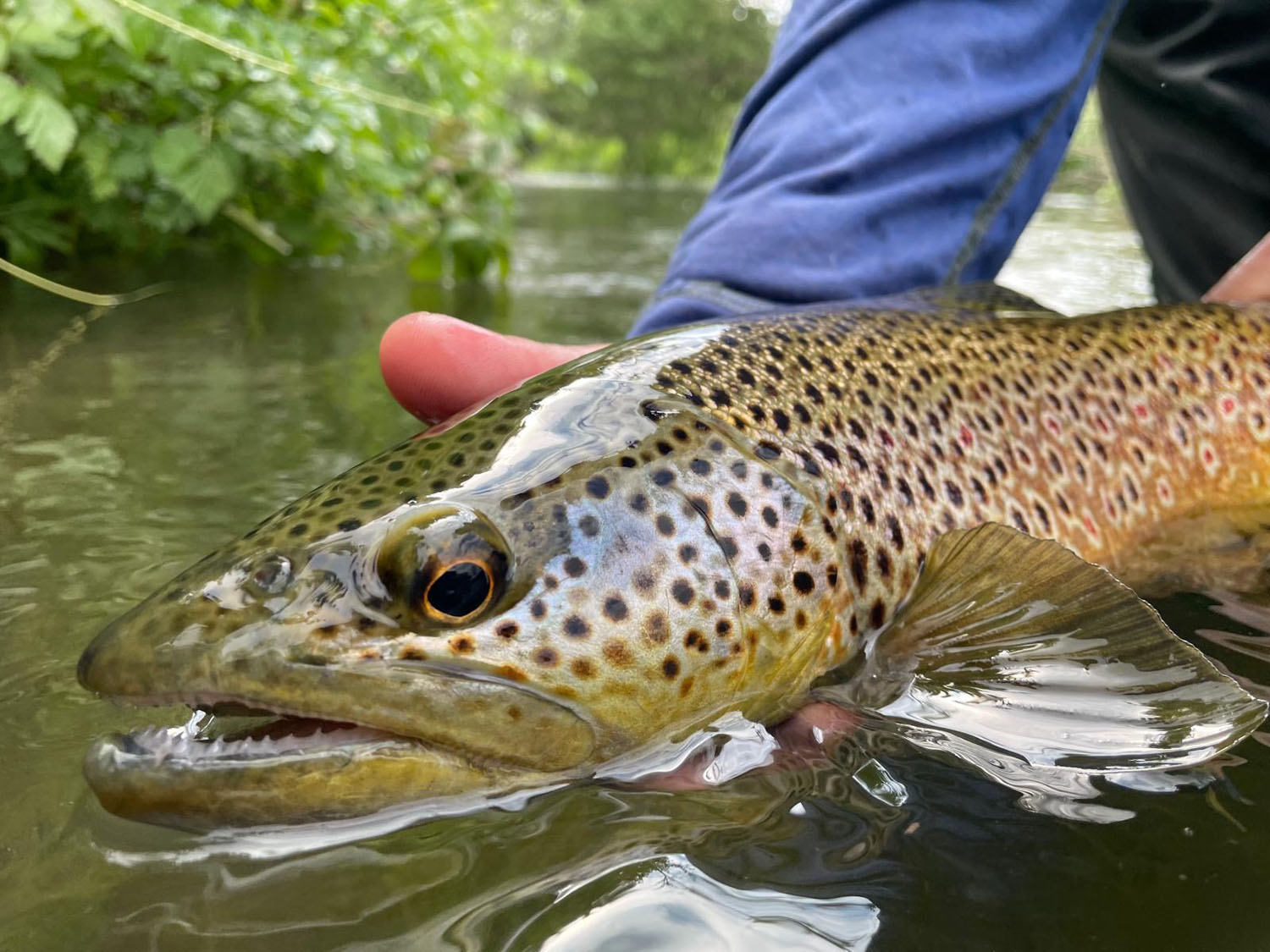
The X Caddis was created to mimic a struggling, emerging caddisfly
By Trout & Salmon
-
 Fly tying
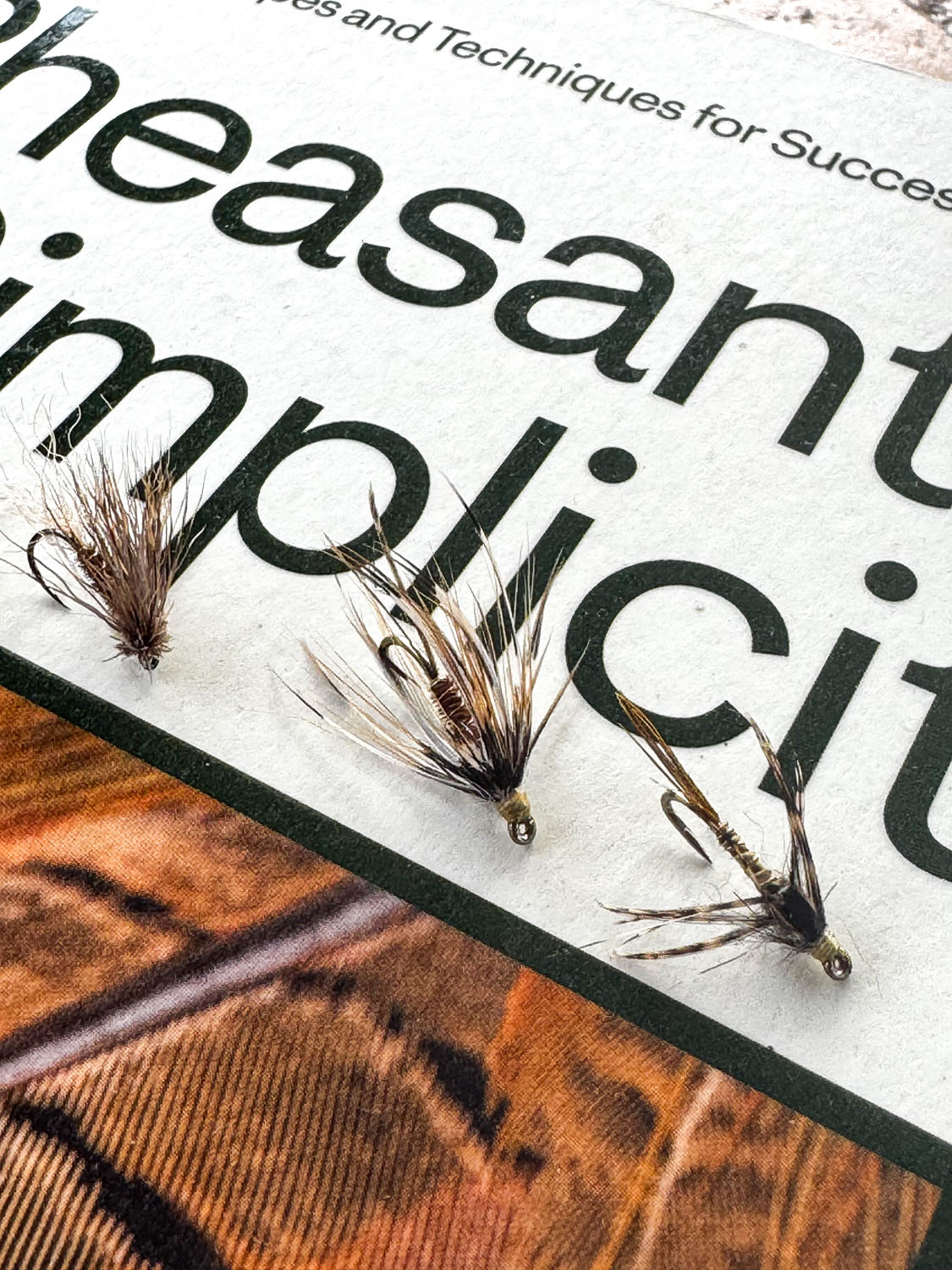
Filling up fly boxes
This season, Trout & Salmon’s editor is determined to rekindle his fly tying habit by starting with some simple pheasant-tailed flies
By Pete Tyjas
-
Fly tying
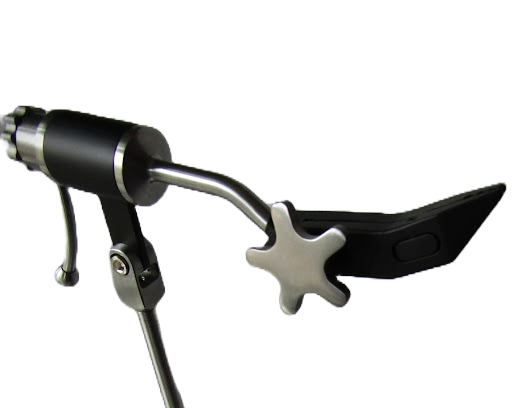
Lough Erne fly Vice
The Loch Erne vice offers excellent performance and built quality at a mid-price point
By Robert Hardy
-
Fly tying product reviews
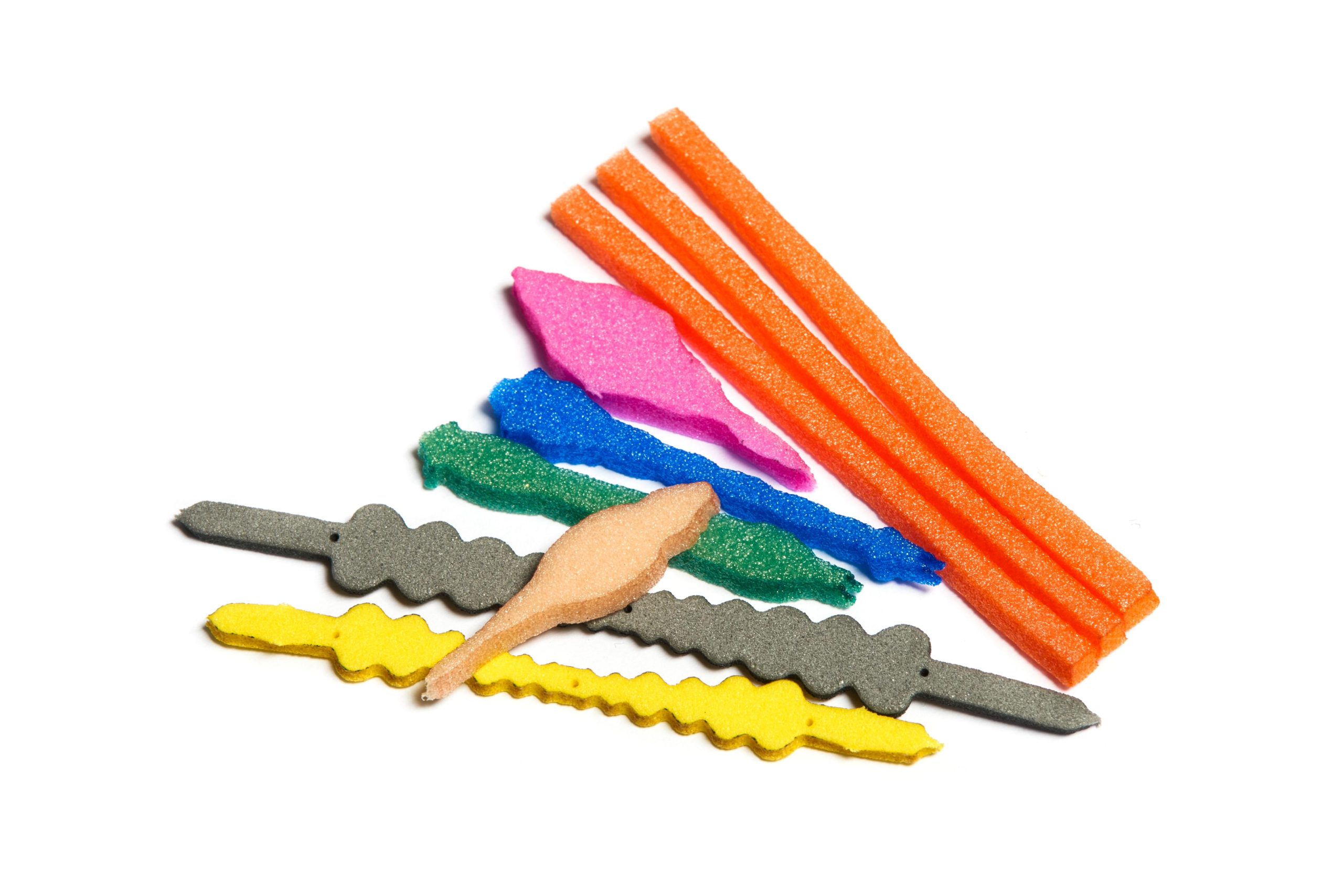
Semperfli pre-cut foam fly-tying bodies
Semperfli pre-cut foam bodies make tying accurate, buoyant dry-flies faster and easier. Ideal for mayflies, daddies, beetles and damsels.
By Richard Baker
-
Fly tying product reviews
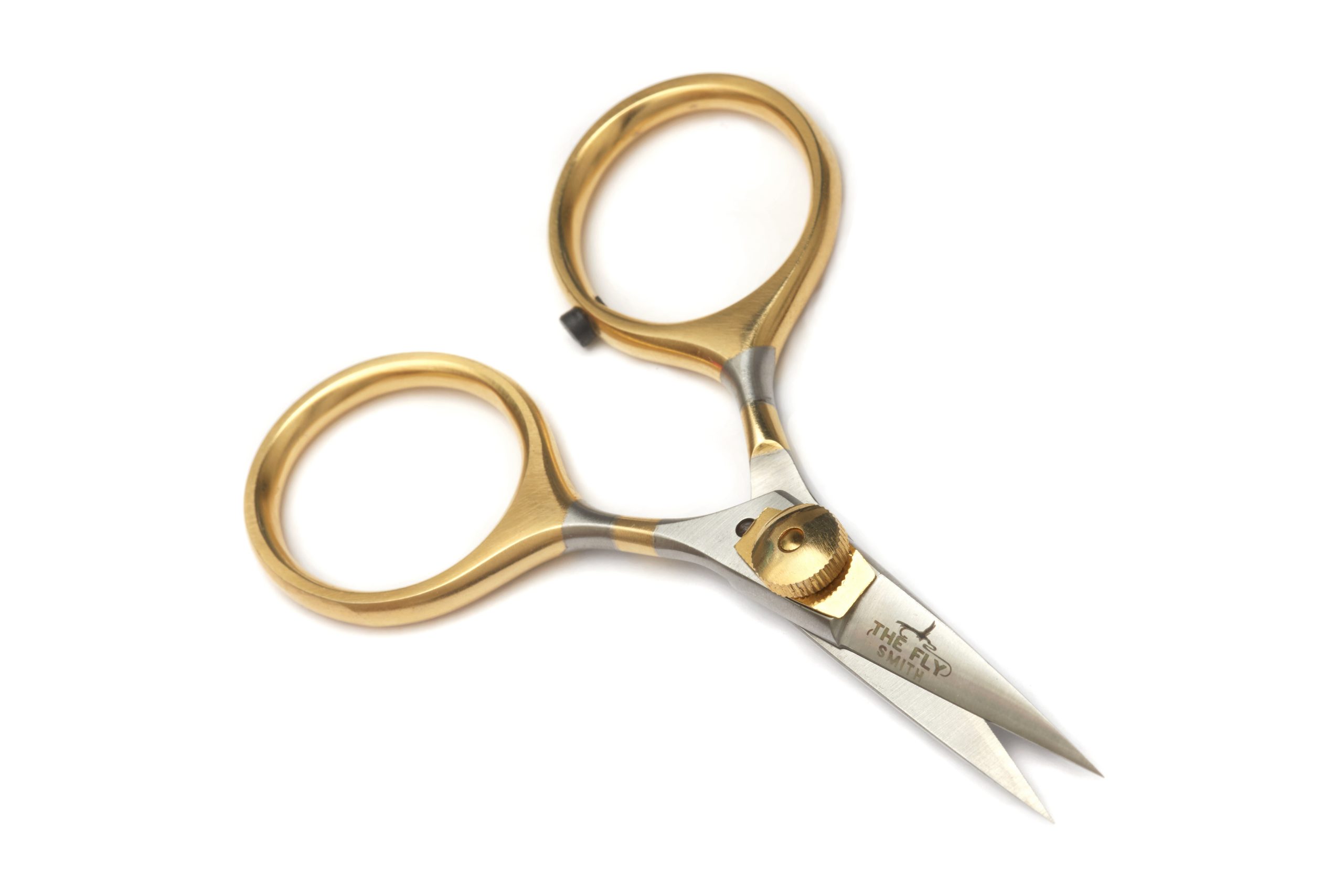
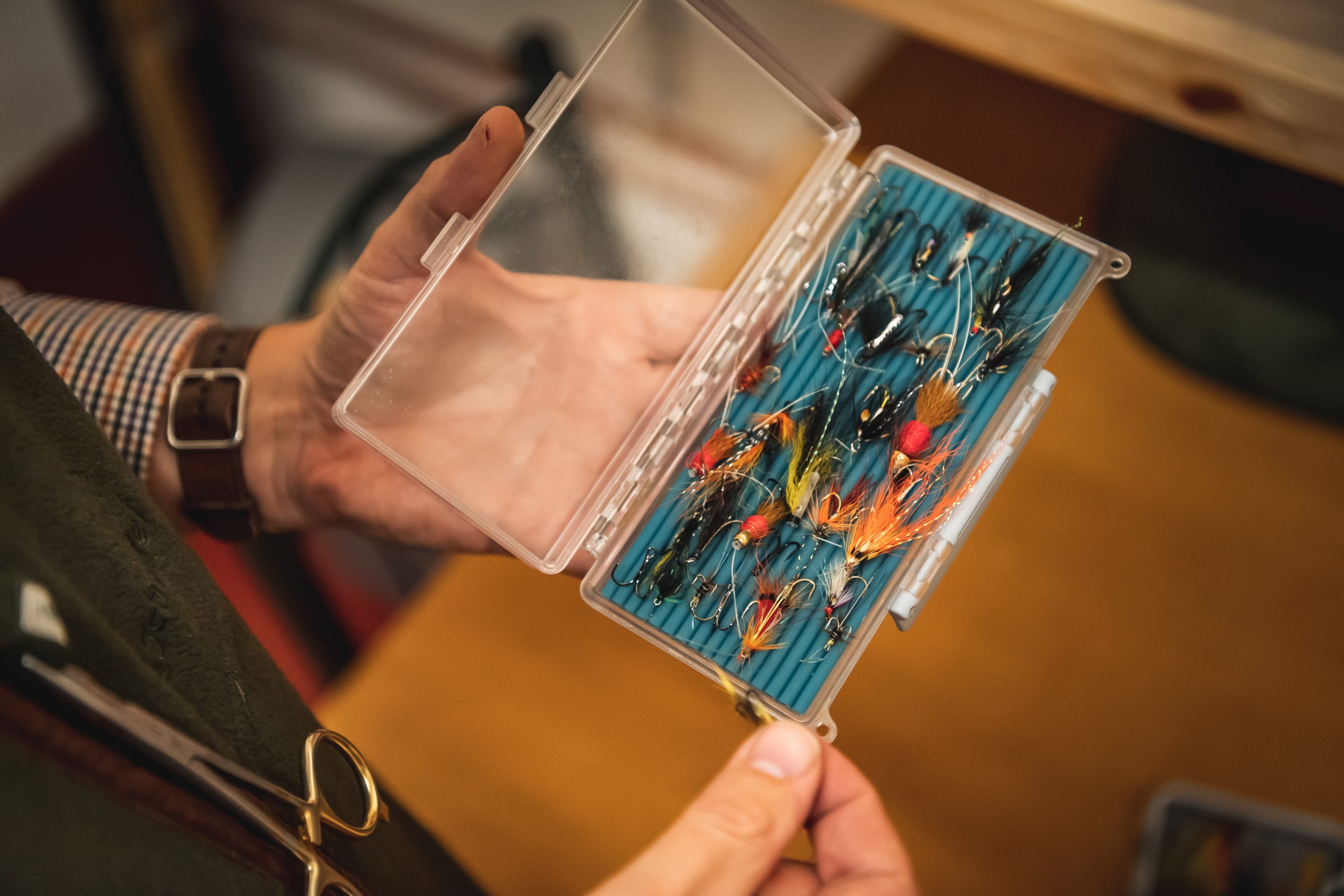
Fly Smith fly tying tools
Andrew Flitcroft gets to grips with two premium Fly Smith fly tying tools – gold-plated scissors and the Dark Midas bobbin holder – built with precision, durability, and flair for the modern tyer.
By Richard Baker
-
Fly tying
Tie the CDC Mayfly Dun
Try this low-riding Mayfly Dun for fussy trout that refuse a high-riding dry-fly.
By Trout & Salmon
-
Fly tying
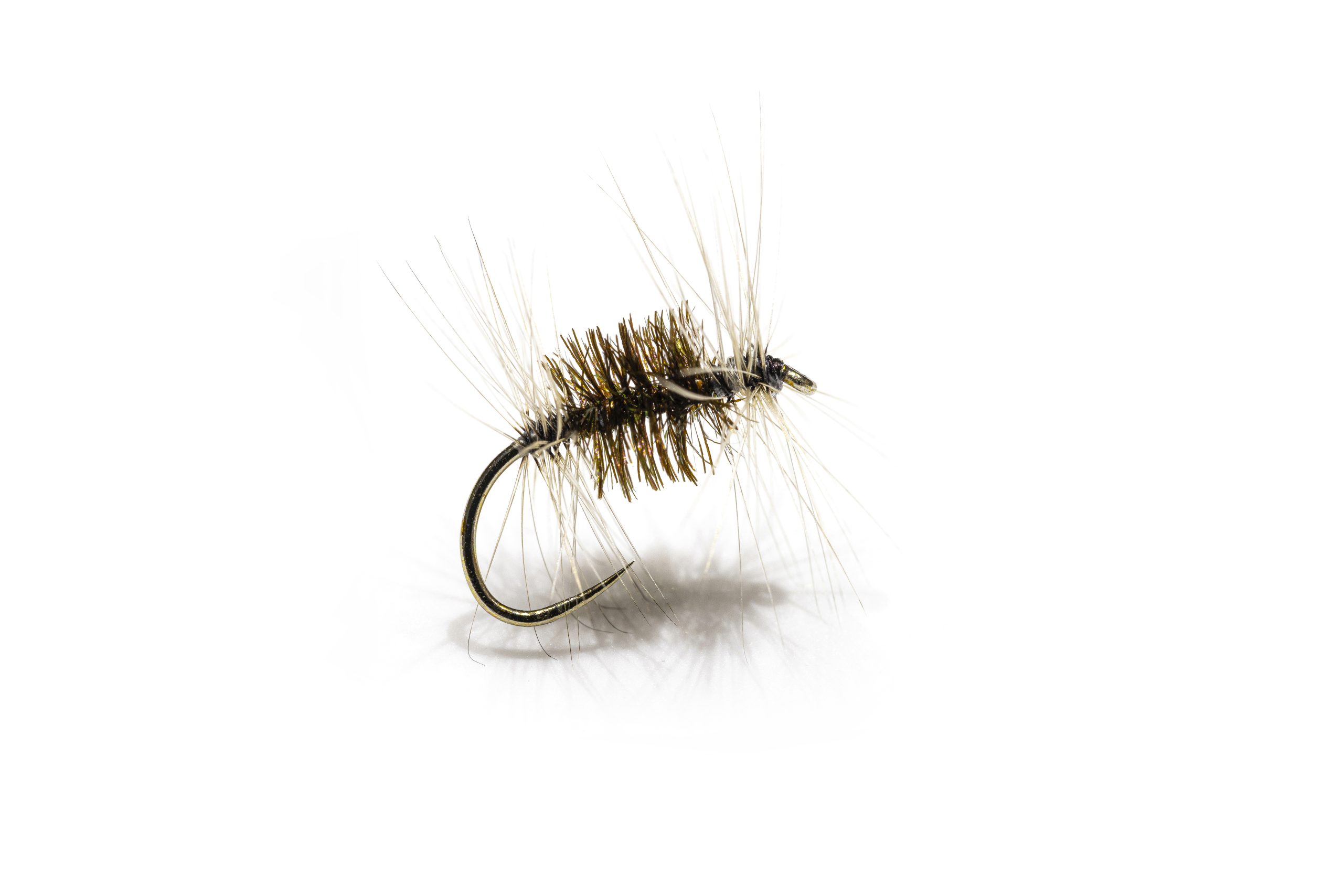
Double Badger
The Double Badger is a fine and easily-tied dry-fly. Often used as an imitation on streams that flow from the Peak District, it will work during a hatch of tiny midge anywhere in the UK and abroad.
By Trout & Salmon
-

-
Fly tying
Booby Dabbler
A traditional stillwater pattern given a modern and controversial twist
By Trout & Salmon