★ Win a VALLON prize bundle worth almost £500! Enter here ★

Half our rivers are choking
A new citizen science water quality report by the Angling Trust reveals that almost 50% of monitored UK river sites have environmentally harmful nitrate concentrations
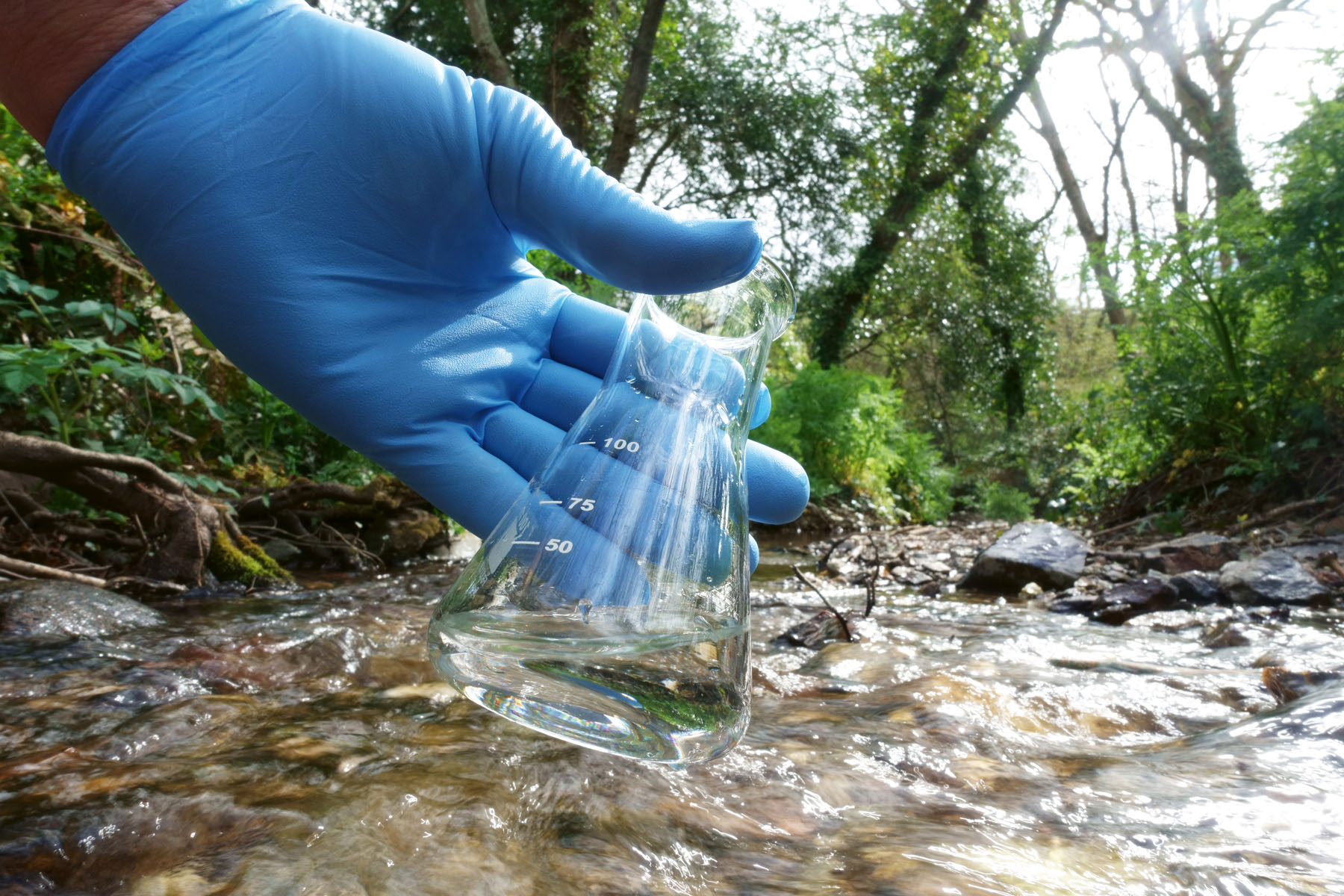

Nearly half of all river sites tested by volunteer anglers are recording nitrate levels harmful to aquatic life, according to the Angling Trust’s third annual water quality report – the largest citizen science dataset of its kind collected in UK rivers.
Analysis of more than 12,000 samples by Isla Thorpe of the University of York found that 49.93% of monitored sites showed environmentally harmful nitrate concentrations, with the proportion breaching safe limits rising every year since monitoring began. More than 40% of sites also failed phosphate standards, and the proportion exceeding ammonia safety thresholds has risen from 3.58% to 4.49% over three years.
The picture is particularly troubling for chalkstreams. Applying Natural England’s phosphate targets, 91.5% of samples from the Hampshire Avon breached safe limits and 85% from the River Meon. Average nitrate levels on the Test and Itchen exceeded ecologically safe thresholds in every single month of the third year of monitoring.
Alex Farquhar, the Angling Trust’s freshwater campaigns officer, said the findings were unambiguous. “Excess nutrients on this scale translate into algal blooms, fish without enough oxygen to survive, and anglers on the bank wondering where the fish have gone,” he said.
Over 800 volunteers have contributed more than 4,000 hours to the network since it launched in 2022.
Do you have a news story to share?
Contact our group news editor Hollis Butler at hollis.butler@twsgroup.com. We aim to respond to all genuine news tips and respect source confidentiality.
Stay in the loop
Don’t miss a story – get angling news straight to your inbox. Subscribe to our newsletter.
Related Articles
News
Gillies march on Holyrood
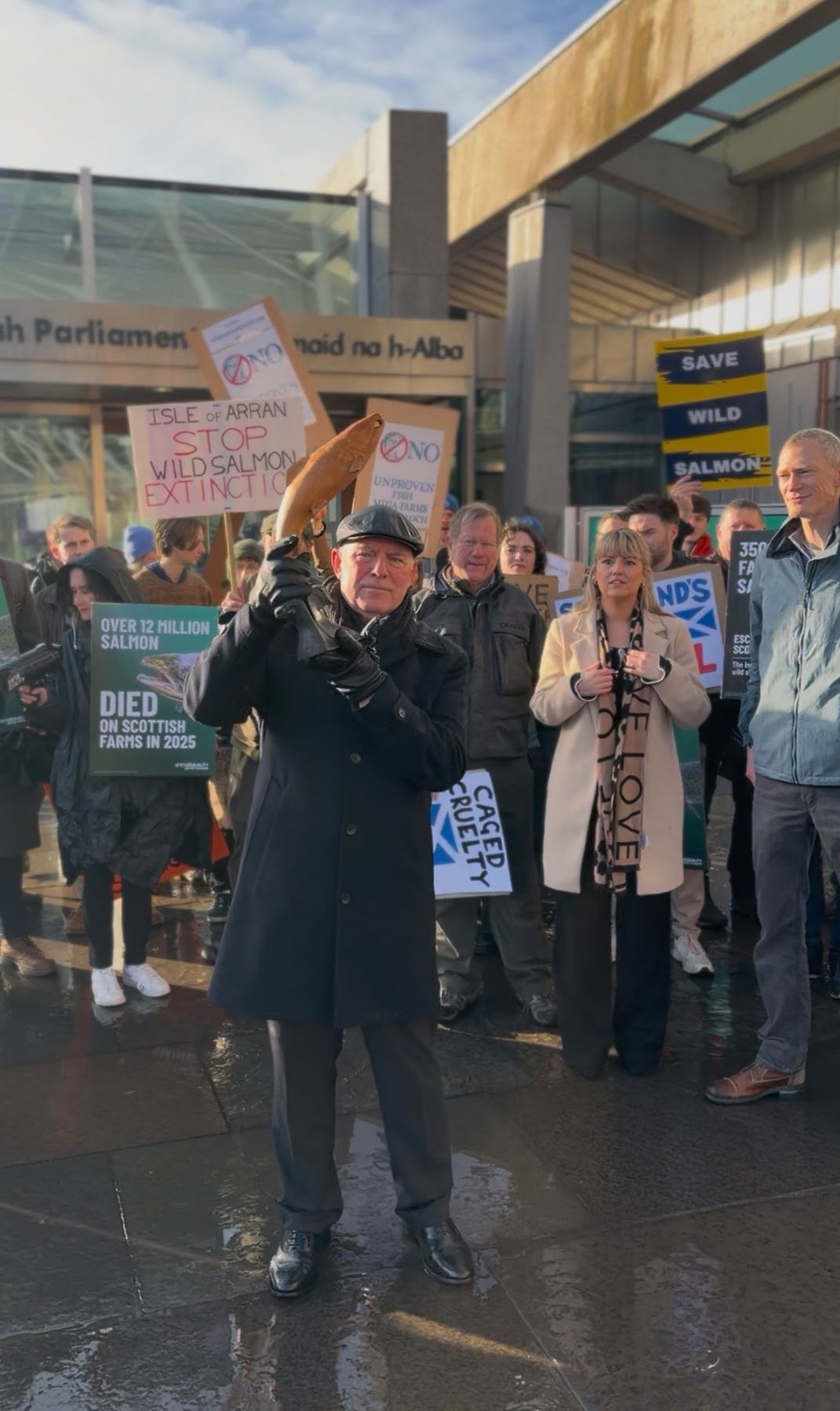
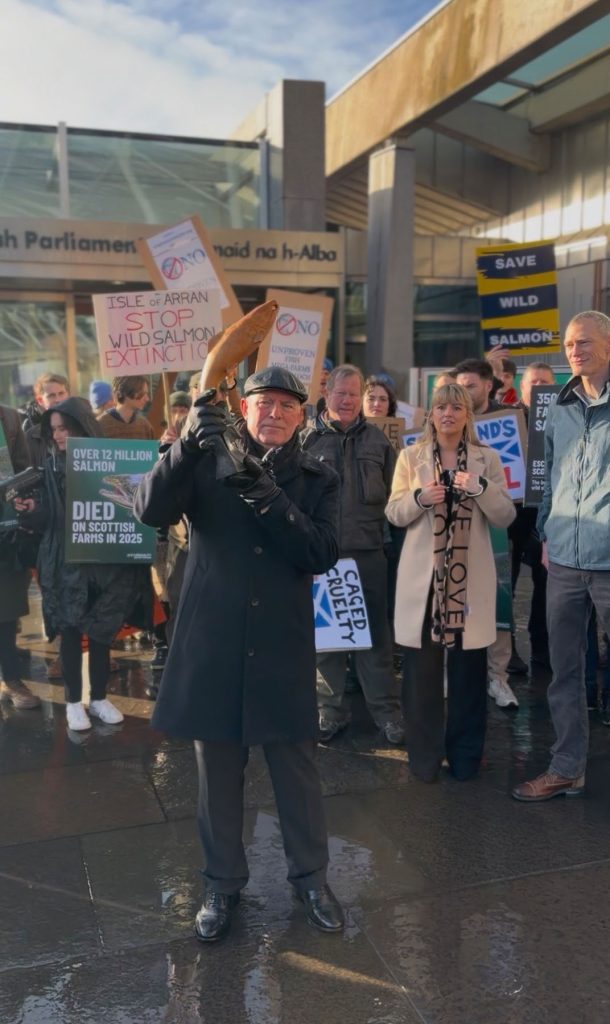
Gillies, river workers, and conservationists protest outside the Scottish Parliament, urging First Minister John Swinney to halt new salmon farms to protect wild salmon populations
By Hollis Butler

News
Wye not act?
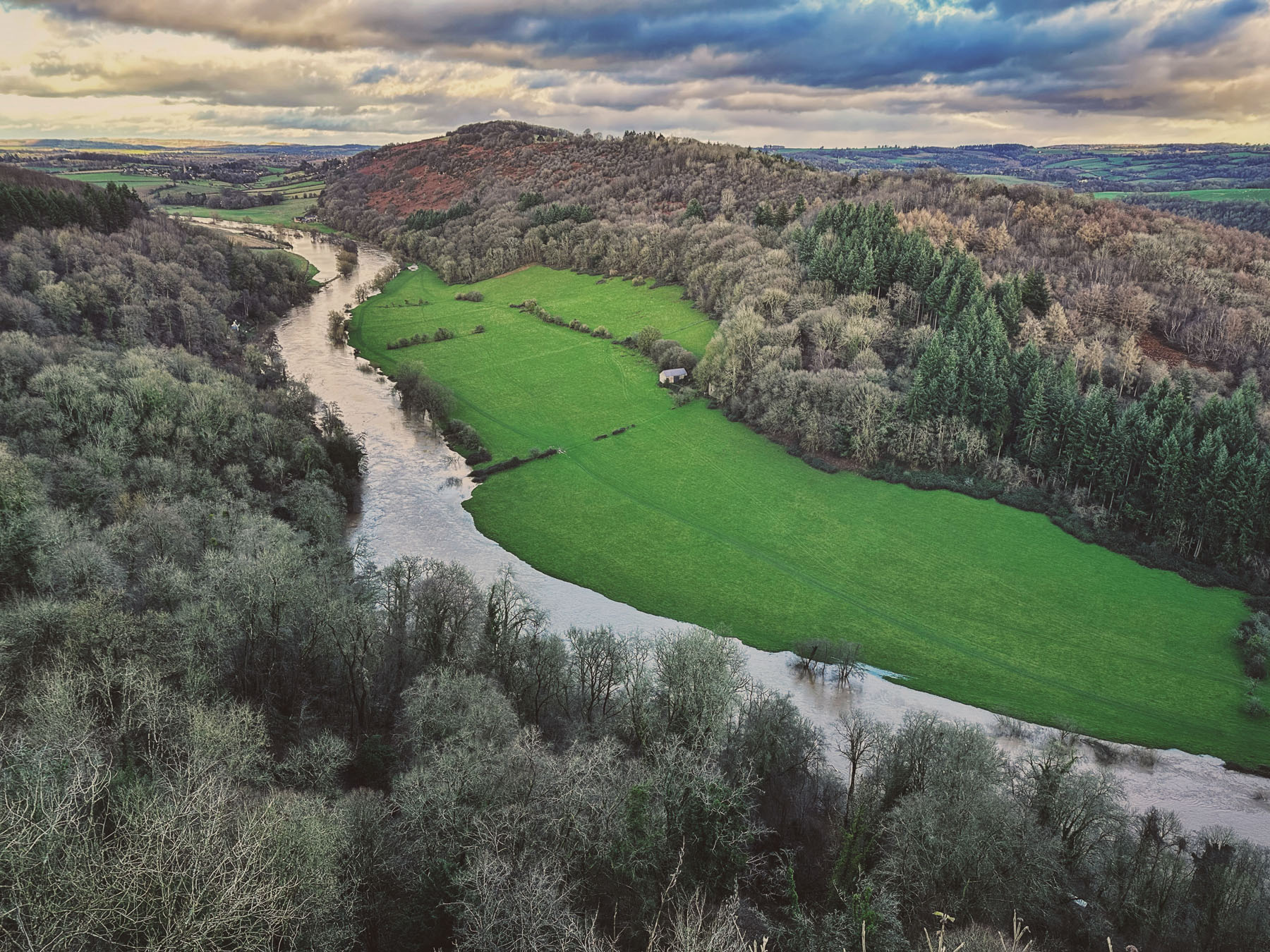
Fish Legal launches a Judicial Review against the Environment Agency over its failure to adequately address severe agricultural and phosphate pollution in the River Wye