- More
-
-
-
Overseas Where to fish
Chasing the Atlantic Giants: The Canarian Fishing Event 2026 in Puerto de Mogán
By Canaria Fishing Event
-

-

-
-
-
★ Click here to enter the Trout and Salmon crossword for the chance to win a Loop Z1 double-handed rod★
- More
-
-
-
Overseas Where to fish
Chasing the Atlantic Giants: The Canarian Fishing Event 2026 in Puerto de Mogán
By Canaria Fishing Event
-
-
-
-
-

Salmon stocks at breaking point
Rod catches of salmon rose 16% in 2024, but the modest improvement masks a deepening crisis
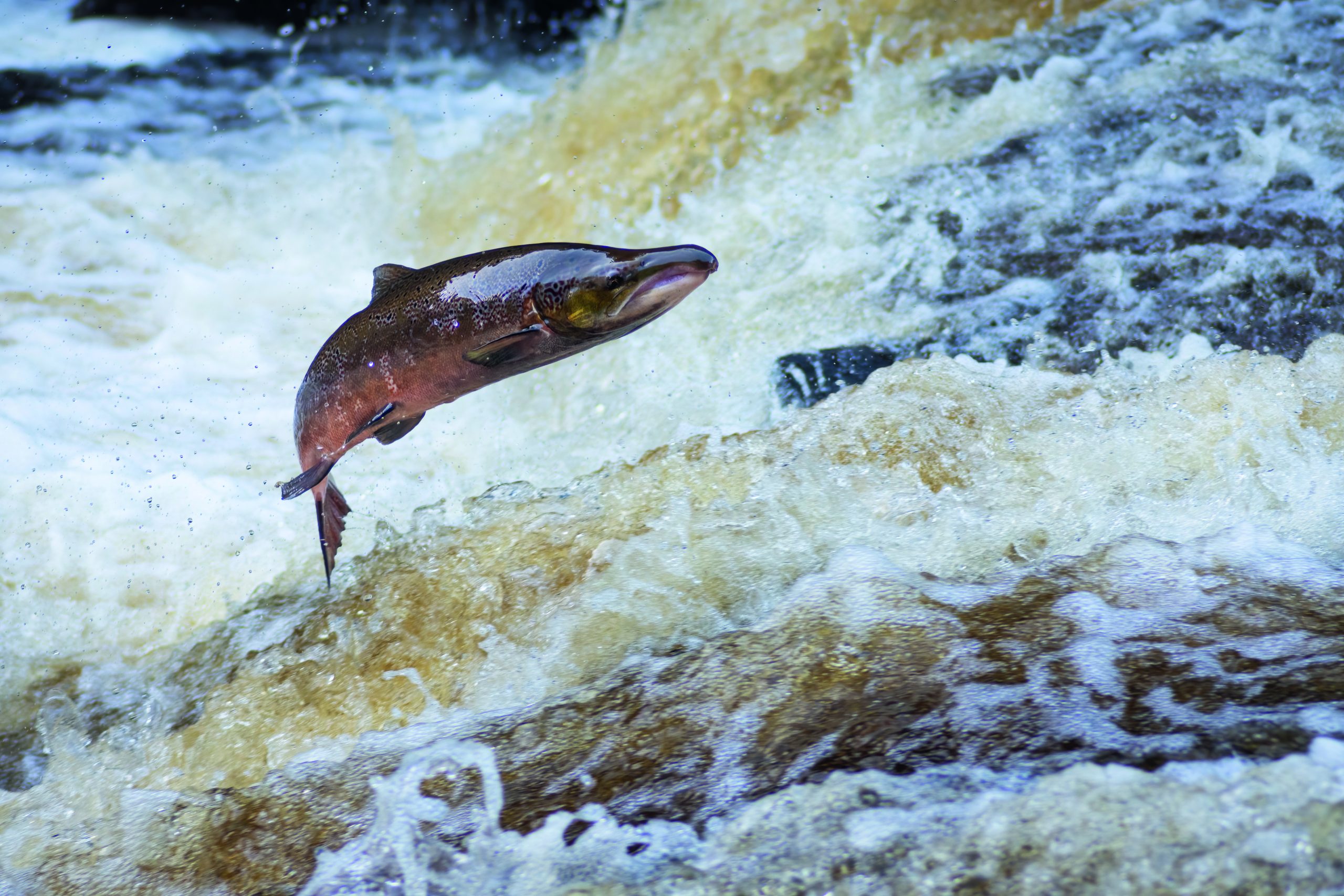 Credit: Gregg Parsons via Getty Images

Modest overall rise masks river struggles
Rod catches of salmon rose 16% in 2024, but the modest improvement masks a deepening crisis. Only seven out of 64 major rivers in England and Wales are producing enough fish to sustain themselves.
The Environment Agency’s latest stock assessment, published in late September, presents a bleak picture. It reveals that five rivers – the Fowey, Hampshire Avon, Frome, Tamar and Dee – recorded their worst salmon returns ever last year, and only seven met breeding targets.
Angler contributions and catch-and-release practices
Anglers caught 6,011 salmon, up from 2023’s record low but still the third-lowest ever. The River Tyne dominated, producing 1,780 salmon, almost a third of the England and Wales total, followed by the Wear, Coquet and Eden. Wet weather maintained high river flows through spring and autumn, creating favourable conditions.
Catch-and-release efforts continued to support struggling populations, with anglers returning nearly 96% of salmon caught. Only 244 fish were killed. Released fish contributed roughly 11 million eggs to spawning populations, the EA estimates.
Sea-trout and commercial netting trends
Sea-trout catches fell slightly to 10,960 fish. Anglers released 91%.
Commercial netting continues its long decline. Netsmen took 404 salmon, all released bar one retained illegally in Wales, while the number of licences has collapsed from 1,026 in 1985 to just 121.
Related Articles
News
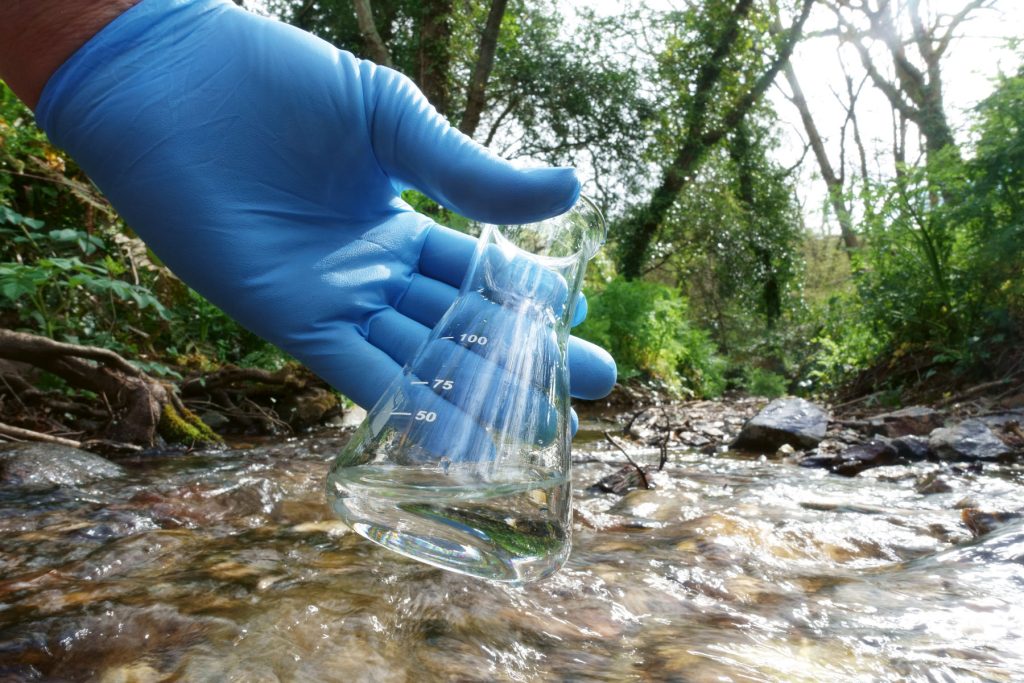
Half our rivers are choking
A new citizen science water quality report by the Angling Trust reveals that almost 50% of monitored UK river sites have environmentally harmful nitrate concentrations
By Hollis Butler
News
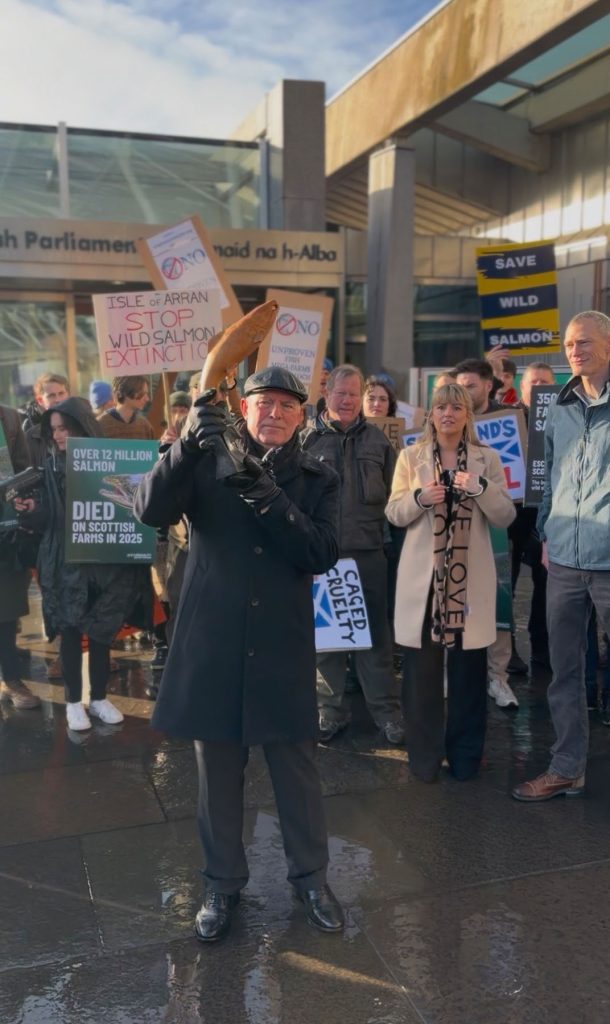
Gillies march on Holyrood
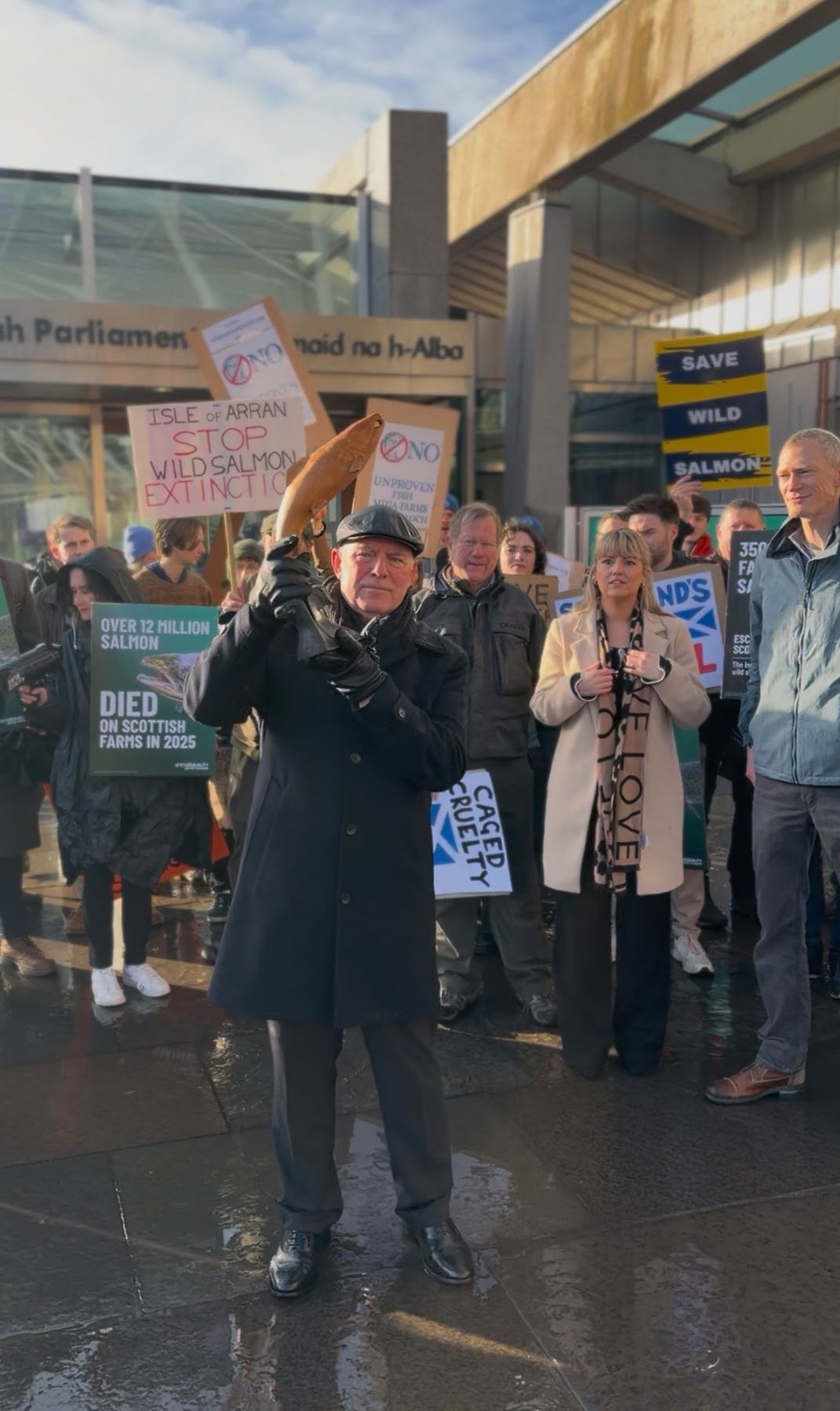
Gillies, river workers, and conservationists protest outside the Scottish Parliament, urging First Minister John Swinney to halt new salmon farms to protect wild salmon populations