★ Win a VALLON prize bundle worth almost £500! Enter here ★


Guide’s wisdom
On many small rivers and upland streams, one of the most overlooked trout holding lies is the tail of the pool. For trout, it’s the perfect ambush point
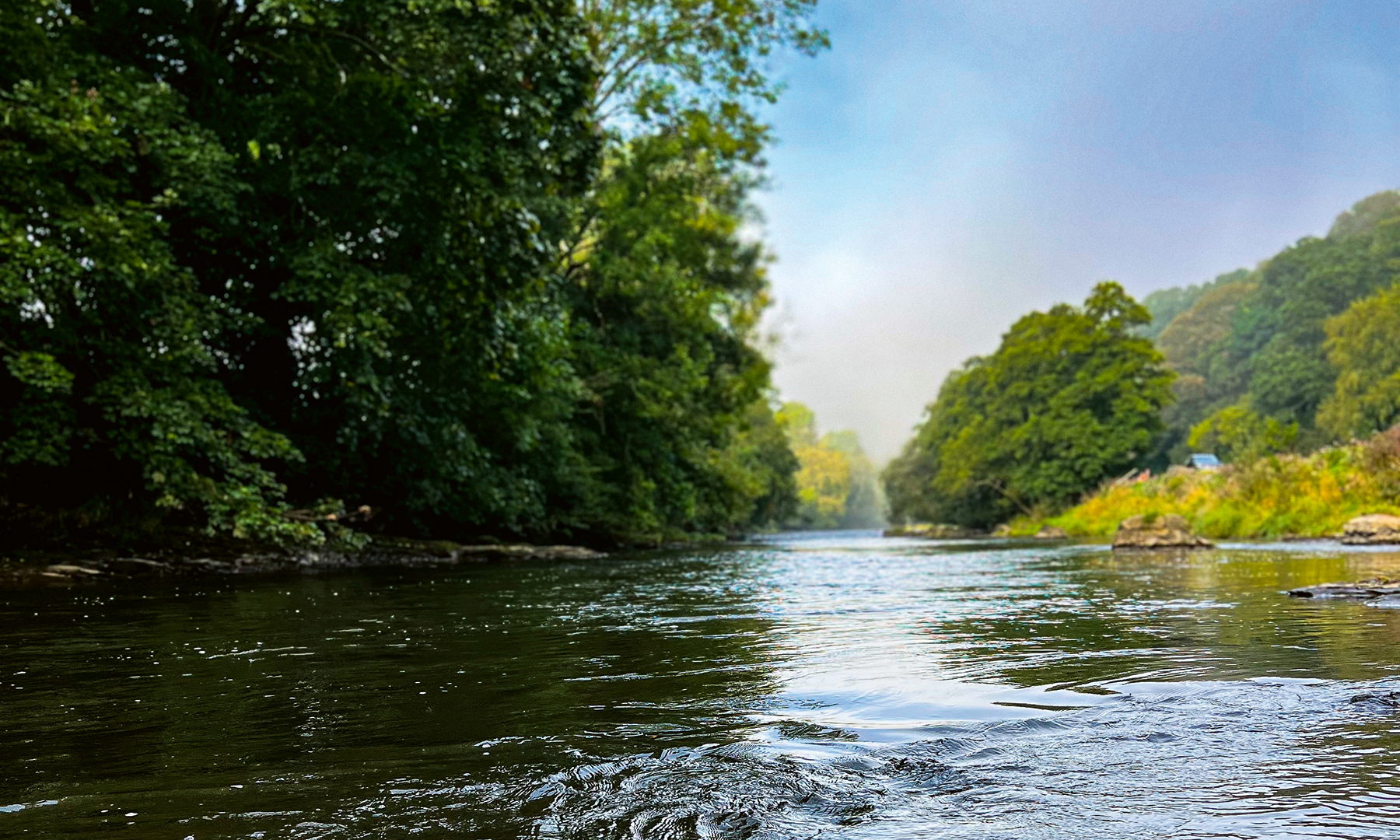

On many small rivers and upland streams, one of the most overlooked trout holding lies is the tail of the pool. From a technical standpoint, this zone is shaped by hydraulics: water accelerates as it exits the pool, creating a seam of broken current, oxygenation, and concentrated food drift. For trout, it’s the perfect ambush point.
Many anglers make the mistake of spotting a rise mid‑pool and rushing forward to cast. In doing so, they often spook the trout stationed in the tail. Because of the flow dynamics, a startled fish will frequently bolt upstream, disturbing the very trout they were targeting.
The tail combines faster water with adjacent slack, giving trout efficient feeding lanes. Large boulders or submerged debris at the tail also create hydraulic cushions where trout can hold with minimal energy expenditure. It also funnels invertebrates and terrestrials through the narrowing current, making the tail a conveyor belt of food.
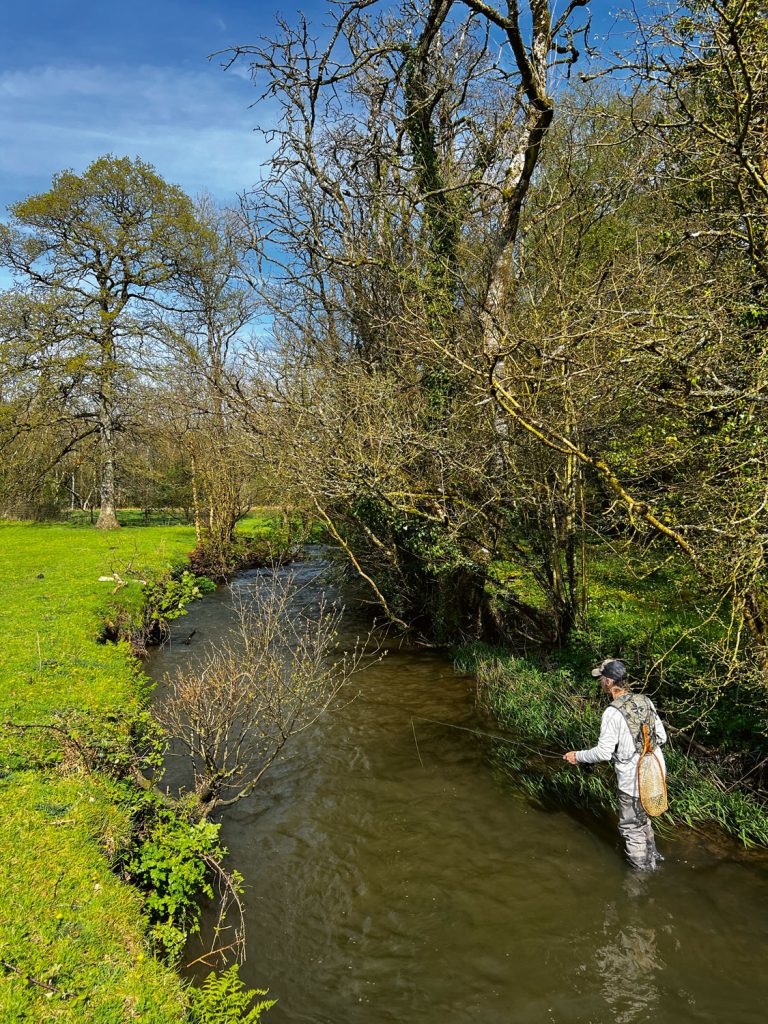
Here’s how I approach fish in the tail of a pool:
- Observe: watch for subtle rises or subsurface flashes. Even if no activity is visible, assume the tail is occupied.
- Blind coverage: a single dry-fly or nymph drifted through the tail often produces fish that would otherwise remain unseen.
- Behavioural advantage: hooked or missed tail‑end trout typically retreat under cover rather than charging upstream, preserving the integrity of the pool above.
Practical implication: by fishing the tail from the head of the pool below, you maximise efficiency and minimise disturbance. It’s a small adjustment in approach, but one rooted in hydrodynamics and trout ecology. In practice, it can mean the difference between a ruined pool and 15 uninterrupted minutes of productive fishing.
• Harry Chance is a fishing guide based in Devon.
Related Articles
Trout
Practice makes perfect
For trout anglers, a practice regime of just 10 minutes every now and again can pay huge dividends
By Pete Tyjas
Trout
New beginnings
Editor Pete Tyjas on friendship, loss and the river season that will never be quite the same.