★ Click here to enter the Trout and Salmon crossword for the chance to win a Loop Z1 double-handed rod★

Snipping off: knowing when to stop fly fishing and head home happy
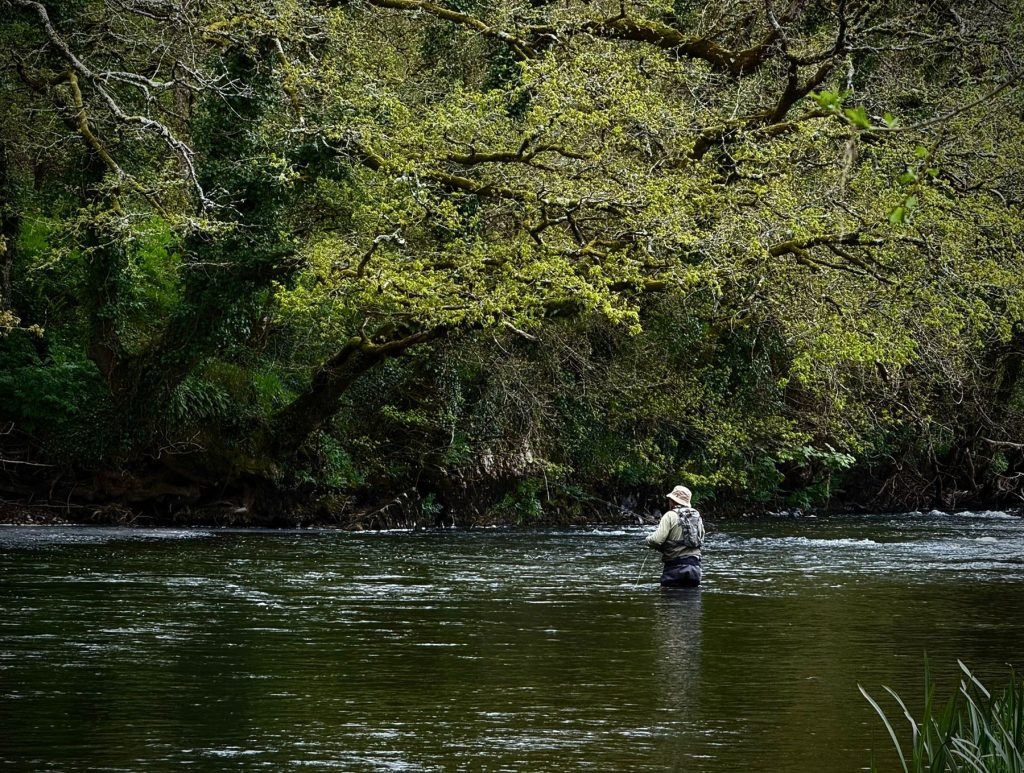
Trout & Salmon's editor returns to a Devon stream, battles drag, lands a cracking wild brown trout - and then does something most anglers struggle with: walks away while he's ahead

The perennial problem of drag
I recently did some guiding for a charity event and spotted what looked like a good trout rising near the base of a tree.
My guest did his best to cover it and, by all appearances, made a good job. Despite this, the fish didn’t take.
A low branch hung just downstream of where the trout was feeding, forcing my guest to cast from the opposite side. I was convinced the fly had skated ever so slightly, just enough to deter the fish.
The fish rose again, and the only thing I could think of that might have been putting it off was the perennial problem we face as trout anglers – drag.

A change of angle and a strong Devon trout
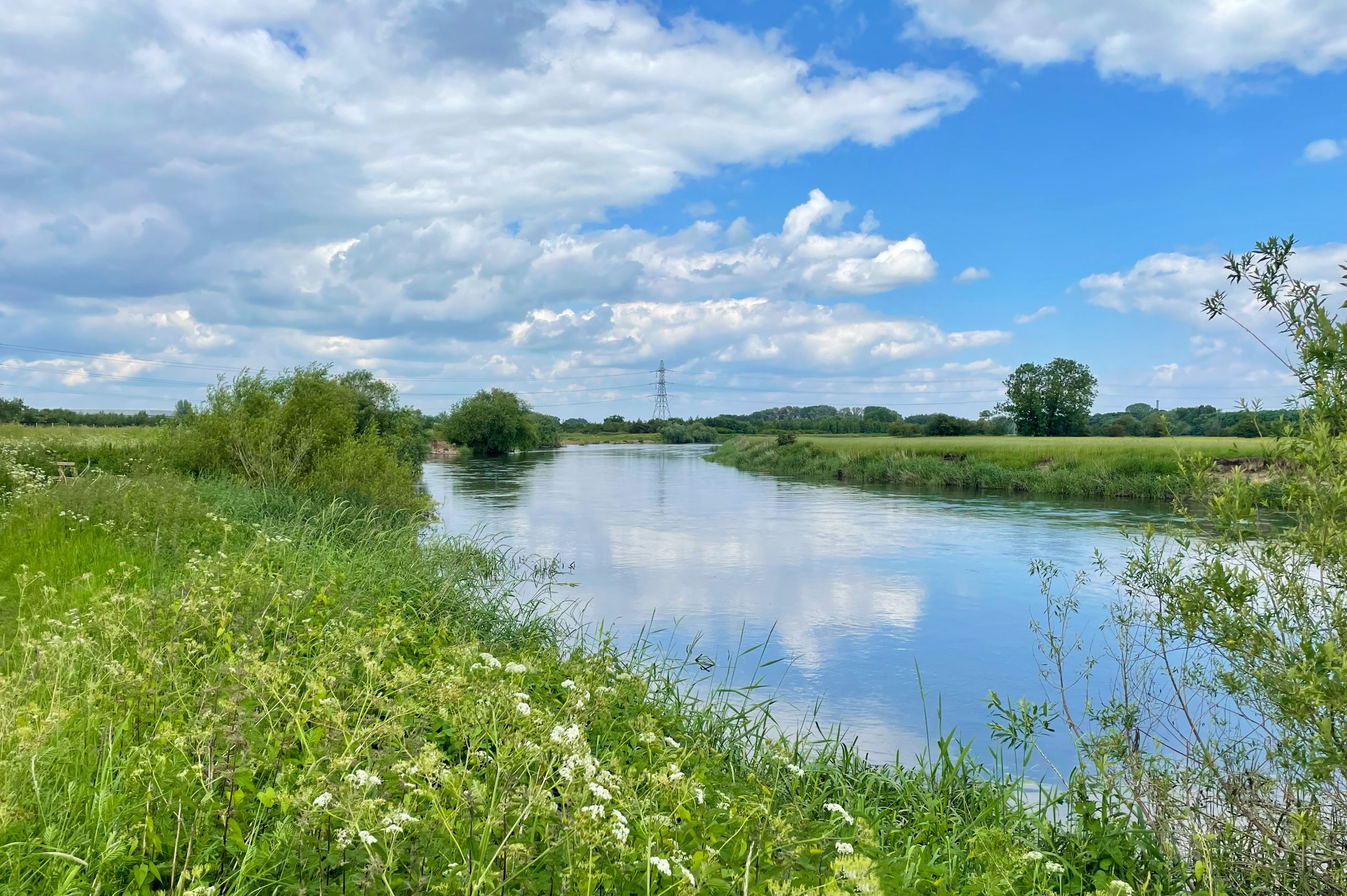
A few days later, I found myself back in the same spot. I watched the trout rise a few more times, then decided to walk downstream, wade into position directly below it, and try a different angle.
The plan worked. I hooked the fish, and it leapt around before eventually coming off. It was a good one.
It was probably my fault.
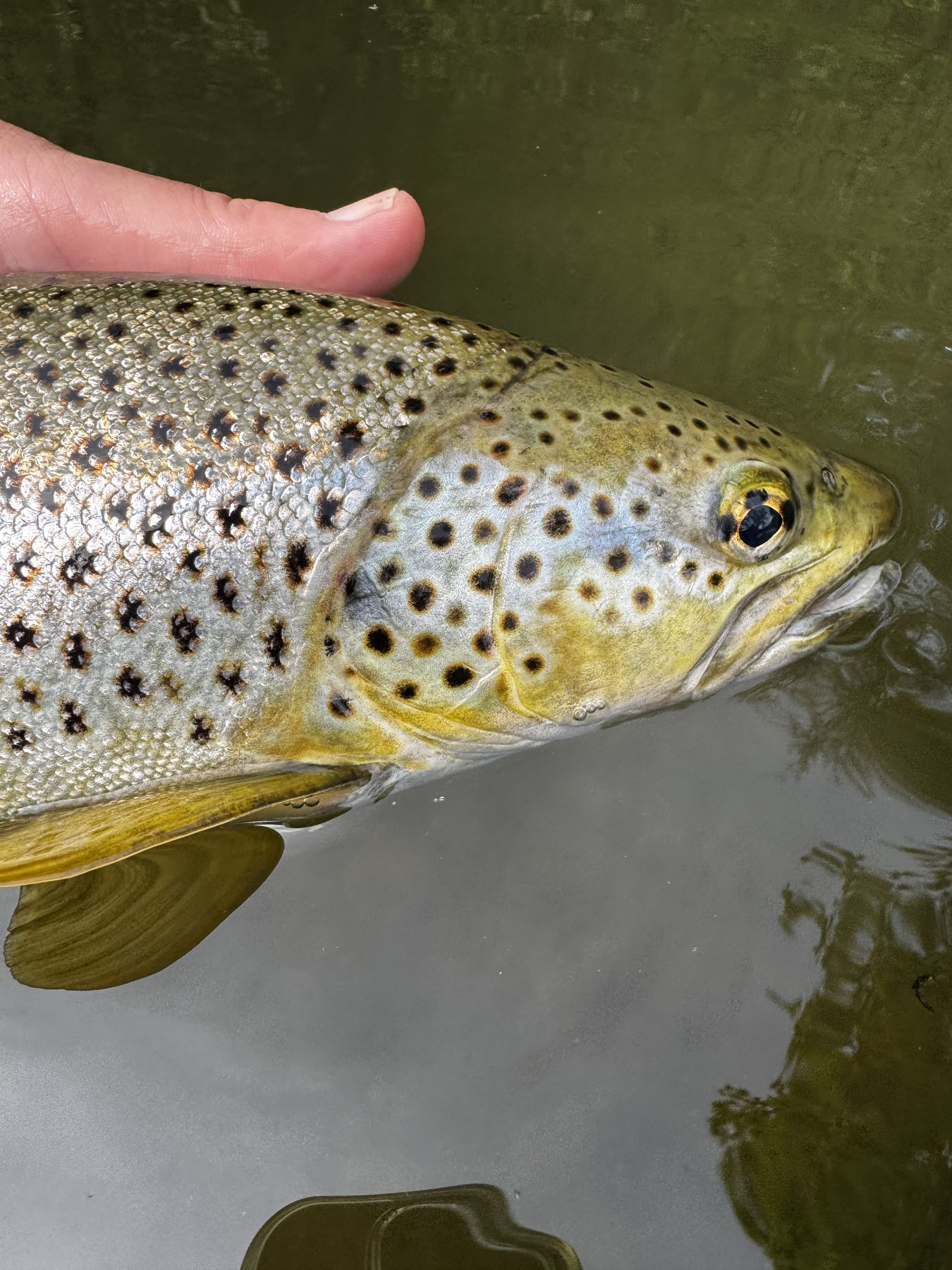
Further upstream, I spotted another nice sized trout. This one took after a couple of drifts.
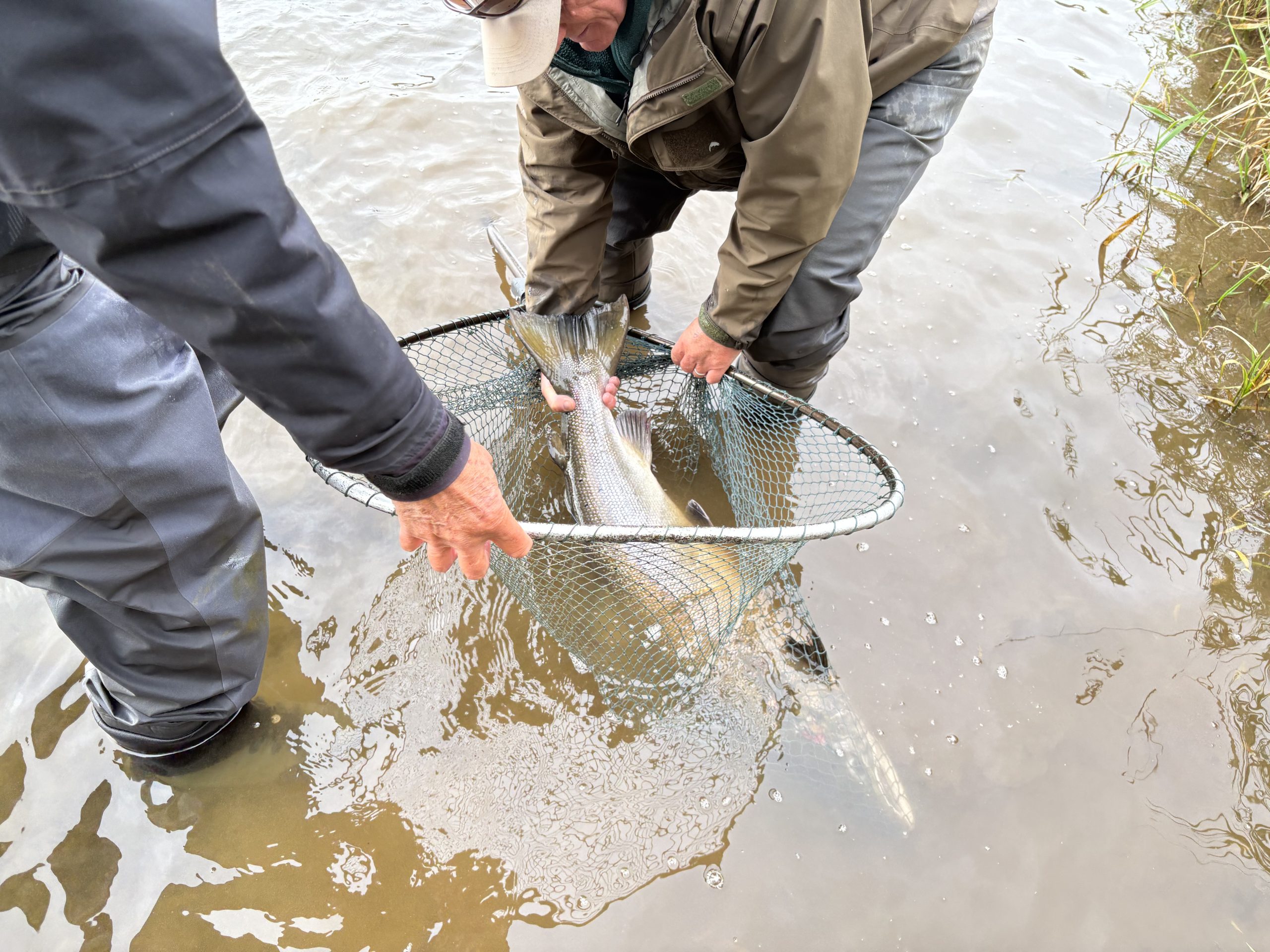
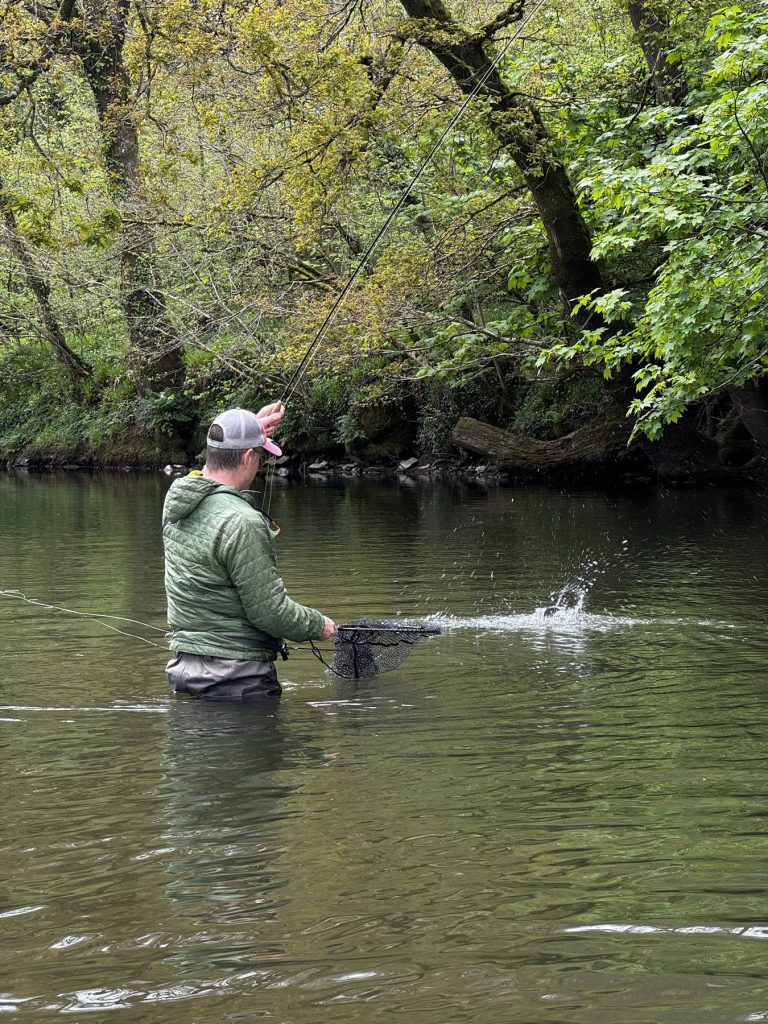
I landed it, took a quick photo, and released it. Another strong fish, especially for the streams of Devon, that pulled line from my reel and had me on edge at several points during the fight.

The progression of a fly angler
I saw yet another fish rise, but you know what? I snipped off and headed home happy.
The progression of a fly angler is often described as wanting to catch a fish, then many fish, then a big fish, and finally the difficult one. You might read that and recognise your own path, but it’s never quite been mine.
Some days, I enjoy catching a few. But moments like the one earlier are enough to fill the tank and keep me going for a while.
The rest can wait for another day. I’m in no rush.
Related Articles
Trout
Being there: an early start with just the river for company
Returning to the water after a busy few weeks away, the editor finds solace in a slow, patient morning session where the ultimate reward isn't found in numbers.
By Pete Tyjas
Trout
Last-minute plans: dry fly fishing for wild brown trout
Trout and Salmon's editor had planned a productive Sunday working on the June issue - until a friend's message and the lure of a chalk stream changed everything. A reflective account of spring dry fly...